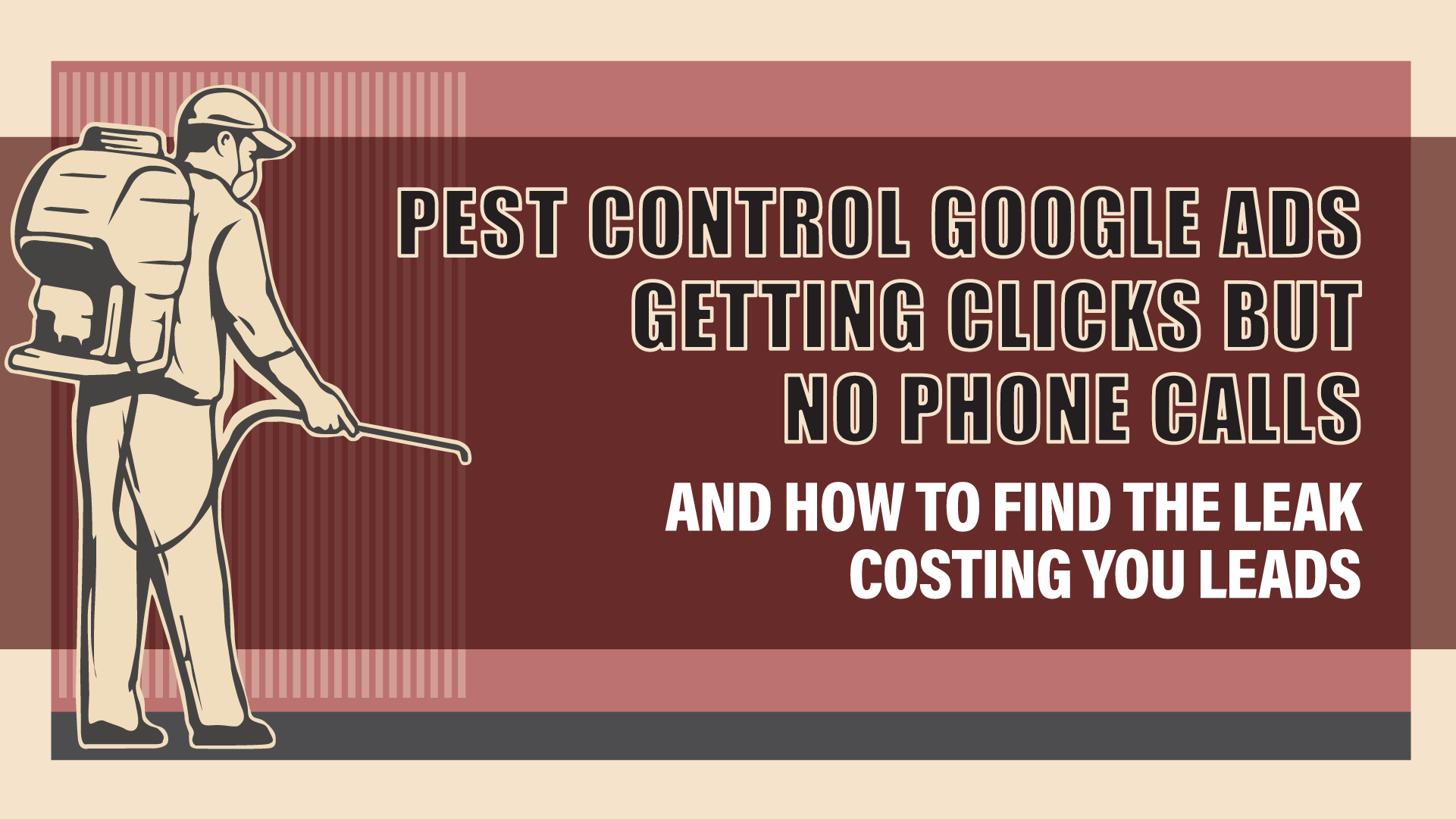
You are spending real money on Google Ads every month. The clicks pile up in the dashboard. The booked jobs do not. Either the phone stays quiet, or it rings with people asking how much a can of wasp spray costs at the hardware store. Before you fire your agency, gut the budget, or swear off paid search for good, work through this checklist. Most pest control Google Ads that stop working break for a short list of reasons, and most of those reasons are fixable in an afternoon. This post is written for pest control businesses that already believe in paid search and just want to know what broke. It is a diagnosis, not a sales pitch and not a beginner's guide.

Written By: Adam Bennett | August 05, 2026
Adam is the president and founder of Cube Creative Design and specializes in private school marketing. Since starting the business in 2005, he has created individual relationships with clients in Western North Carolina and across the United States. He places great value on the needs, expectations, and goals of the client.
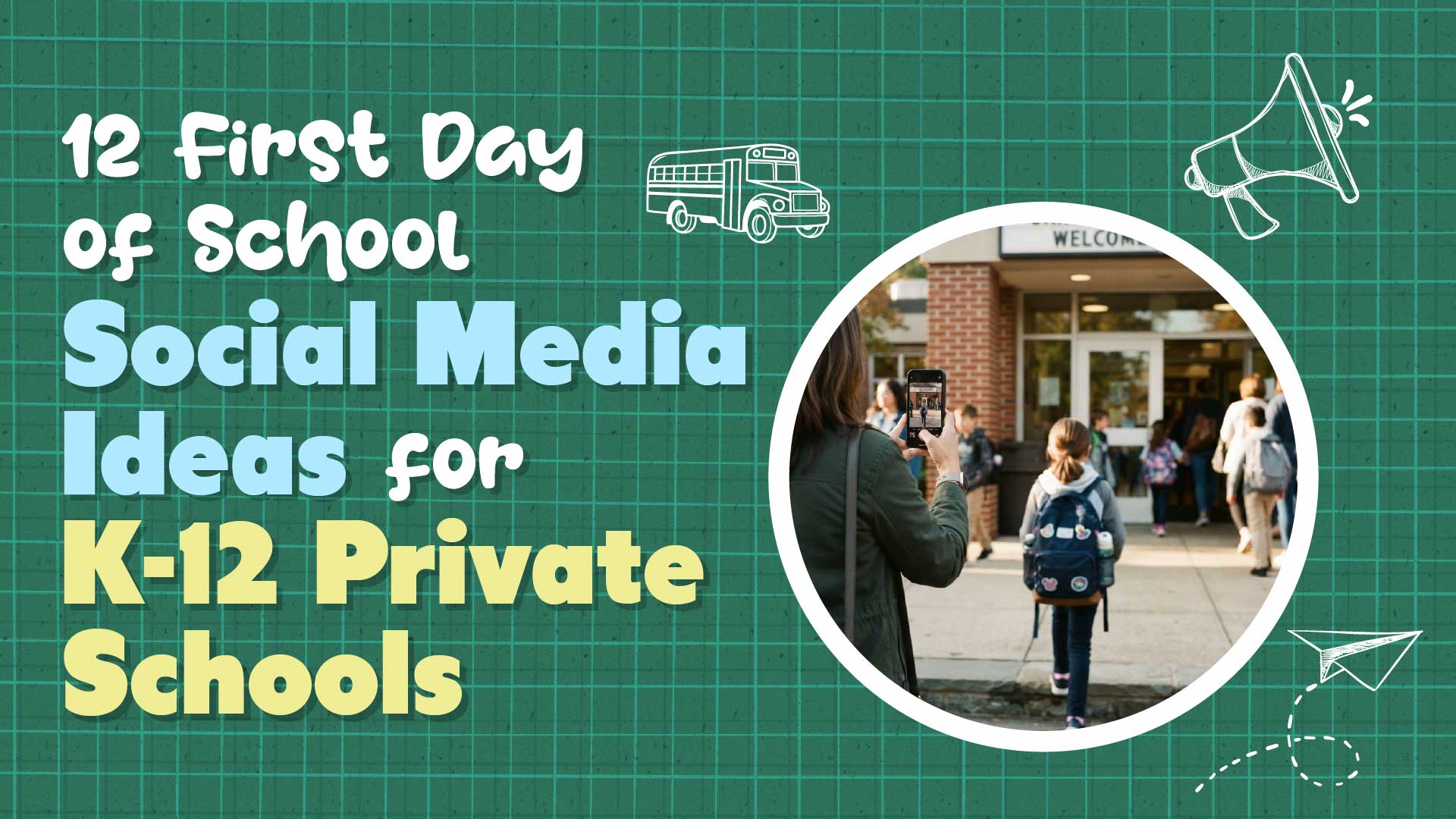
You already know the first day of school is a big deal. The problem is that it lands in the same week you are checking in new families, chasing down forms, and putting out a dozen small fires before the first bell. Social media is the thing that quietly slips, right when it should be front and center.
That's a missed opportunity, and not a small one. The first day is the one moment all year when your whole community wants to post about your school at the same time. This first day of school social media swipe file gives you specific, ready-to-use ideas so you are not staring at a blank content calendar the night before. It is built for the person who runs marketing and admissions and the school's Instagram account, which at a lot of independent schools is the same person. If that's you, or you support marketing at one of the independent schools we work with, keep this open on your phone during that first week.

Written By: Hannah Kilpatrick | August 05, 2026
Hannah Kilpatrick Cube Creative DesignHannah Kilpatrick graduated from Western Carolina University in 2021 with a Bachelor of Science in Communication with a Minor in Marketing and a Concentration in Public Relations. She has been around social media since its creation. (Meaning, she was in the first grade when Facebook became available to the general public.) As our very own professional Gen-Z, Hannah is a whiz when it comes to social media creation and paid advertising.

Most agencies buy competitor analysis tools for a reason that won't survive the next renewal. You wanted a cheaper version of the platform you already resent paying for, or a slick dashboard the client opens once and never again. Look — that logic stopped paying rent. Gartner predicted that traditional search engine volume would drop 25% by 2026 as buyers shift to AI chatbots and virtual agents. The job moved under you. Competitor analysis now has to read the answer an AI hands your client's prospect, not just the blue links nobody scrolls to anymore.
Short version: for an agency, SE Ranking is the tool I'd build the stack around. The Agency Pack stacks white-label reporting and client seats on top of all-in-one competitor data across organic, paid, and AI answers — AI Overviews, AI Mode, ChatGPT, Gemini, Perplexity. API and MCP ship on every plan. One honest nuance. If your pitches live and die on ad spend, SpyFu is cheaper and runs sharper branded PPC teardowns; if links are the whole story, Ahrefs digs deeper. Everyone else sits below. Here's the ranked six competitor analysis tools, starting with the one that reads a rival across SEO, PPC, and AI search.
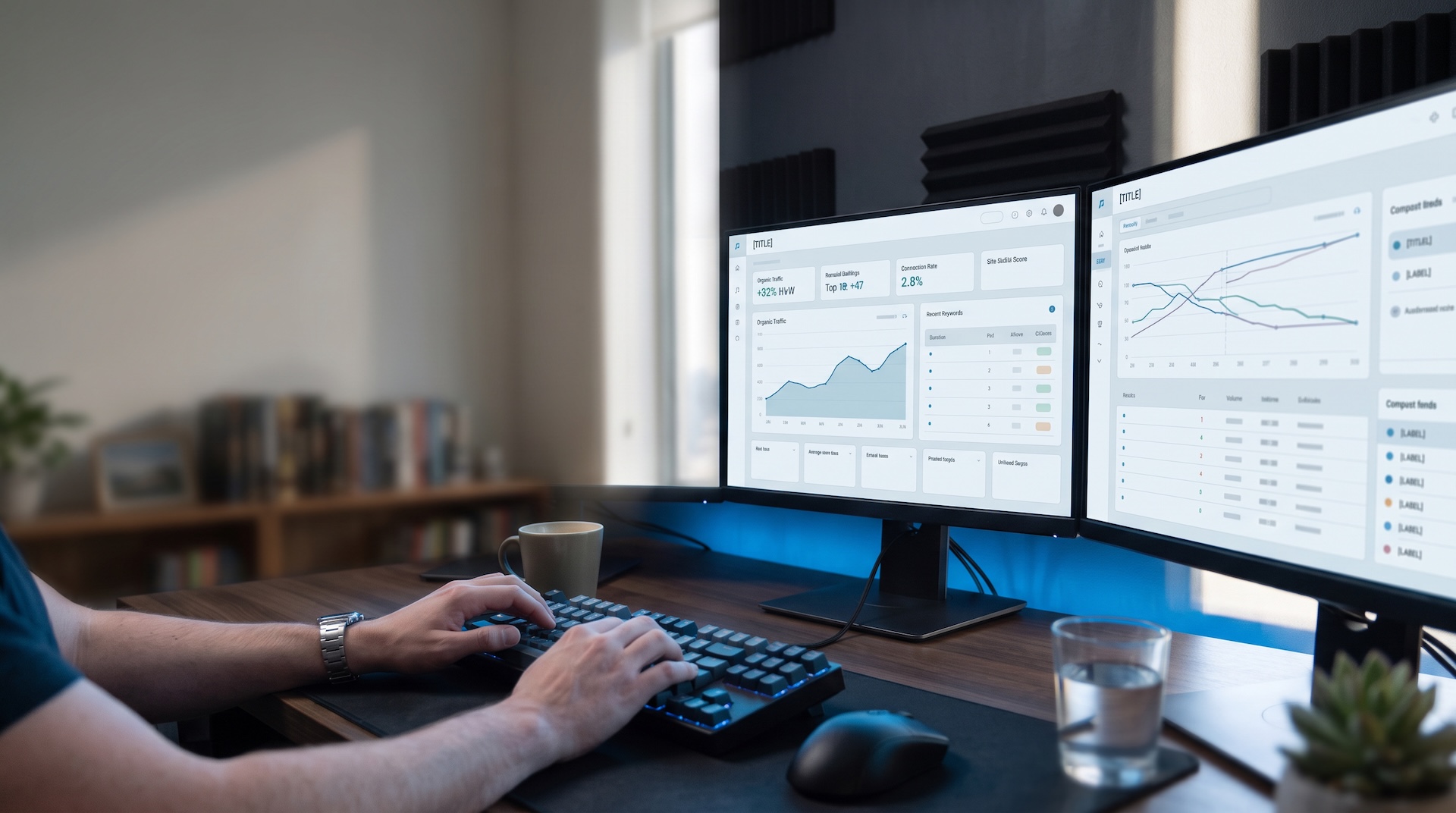
The best SERP tracking tools for enterprise teams solve a data-engineering problem, not a dashboard problem. When you're monitoring 100k+ keywords across regions, languages, and devices, the constraints that decide the outcome are data accuracy and crawl-location fidelity. They also cover whether the numbers land in your own pipeline in a shape your BI layer can query. A tracker that samples the wrong locale, or only exposes rankings through an export button, fails silently at that volume, and you find out weeks later when a regional report doesn't reconcile. The surface keeps expanding: Google's AI Mode already had over 100 million monthly active users in the U.S. and India during rollout (Alphabet Q2 2025, blog.google), so it's a distinct SERP surface to track, not a footnote to organic position.