use Joomla\CMS\Uri\Uri;

Content marketing has experienced significant changes over the years. The growing influence of artificial intelligence is shaping how brands communicate with audiences. Companies are rethinking strategies to ensure relevance and connection. As artificial intelligence continues to impact content creation and distribution, marketers must prepare for fresh challenges and opportunities. Understanding this shift is essential for future growth.

If you’ve ever looked at your website analytics and felt slightly unsure what any of it really means, you’re definitely not alone. Most business owners get told they need “more traffic” or “better rankings,” but those numbers don’t matter much on their own.
What really counts is whether people actually do something after they arrive on your site. Do they stay? Do they click anything? Do they buy anything? That’s where conversion metrics come in. They act a bit like checkpoints; small signals that show you how real visitors behave instead of how you think they behave.
When you understand these signals, making improvements becomes a lot less guesswork and a lot more clarity.

Ranking a SaaS product in 2025 isn’t easy. Every keyword — from “project management software” to “CRM tools” — is dominated by giants with years of authority behind them. You can publish great content and push updates nonstop, yet your pages still get outranked by competitors with stronger backlink profiles.
That’s why SaaS brands can’t rely on generic link-building vendors. SaaS SERPs demand niche relevance, authoritative placements, and consistent white-hat outreach — the kind that builds long-term trust, not just temporary ranking bumps.
To help you choose the right partner, here are the Top SaaS Link Building Agencies in 2025, starting with the one experts trust most for transparent, high-quality, and scalable SaaS backlinks.

Online platforms changed how small businesses connect with peers, customers, and potential partners. People once relied on meetups or local events. Now interactions are built through social profiles, community groups, and quick messages that cross long distances. The shift created new habits where conversations begin in comment threads or shared posts before anyone meets in person.
Strong relationships still matter for growth. Owners gain insights, support, and referrals through steady engagement. Digital spaces make it easier to stay visible, share progress, and interact with people who care about similar goals. Small businesses that take time to nurture these ties often find new opportunities forming through consistent online presence. The combination of broad reach and steady relationship building gives even the smallest brand a chance to connect with people who can influence its growth.

Every click can become a customer when the intake process runs smoothly.
Modern service businesses focus on making that path clear, organized, and fast. From the first website visit to a confirmed appointment, smart tools and structured workflows turn curiosity into commitment, keeping every lead visible and moving forward efficiently.

We all expect the internet to feel instant. Tap, load, done. When it doesn't, we bail. That impatience isn't just some quirk. It's how people actually shop and choose local businesses every single day.
Here's what most business owners get wrong: they think a slow website is annoying but harmless. Wrong. It's bleeding money! These days, almost everyone checks out a local business online before they walk through the door or pick up the phone.
Website speed affects sales, Google rankings, customer reviews, even whether people trust you at all. And most local businesses have no idea how much it's costing them!
Fret not; this page tackles what you need to know about website speed. Whether you're running a pest control website or a K-12 private school, learn why a slow site could cost your local business more than you think. More importantly, find out how to improve your site speed.
Read below.

Think about your team for a moment. Are new hires taking too long to settle in? Do compliance tasks always feel last-minute? Or maybe your employees are eager to grow but don't have the right resources to build new skills.
These are not small issues. Left unchecked, they chip away at productivity, morale, and even customer satisfaction. The good news is that most of these challenges have the same root cause and the same solution: the way your organization trains its people.
A modern employee training system is more than a place to upload courses. It is a structured way to build skills, close gaps, and give employees the confidence to perform better every day. This guide walks you through these systems, the types available, and how to choose one that actually fits your organization.

Client expectations rise every year. Therefore, creative agencies need more than talent to keep pace. Streamlining client workflows depends on structure, not chance.
Thankfully, a variety of reliable tools can handle the logistics that slow creative teams down.
Every process becomes faster when information moves cleanly through the right system. That means fewer delays, clearer feedback, and stronger results.
So, let’s explore some of the most essential business tools that creative agencies should use to streamline client workflows…

Many marketing and design teams adjust layouts, update colors, and tidy up pages, yet people still hesitate before taking the next step. That pause often comes from signals the team never intended to send.
A button looks secondary when it should stand out. A headline feels distant from the action it supports. A form field draws attention away from something more important. These details shape how someone reads a page and how quickly they understand what you want them to do.
Designing for decision-making focuses on those signals and strips away guesswork. It helps you notice patterns that visitors respond to, even when no one mentions them in feedback. With the right adjustments, a page feels easier to navigate and the next step becomes clearer.
Here, we’ll walk you through practical ways to refine those cues so your design supports steady, confident movement across your site.

Content repurposing means taking something you've already created and turning it into new formats or adapting it for different channels. It's like cooking a big batch of chili on Sunday that becomes tacos on Tuesday and nachos on Thursday. Same ingredients, different meals!
When audiences jump between platforms and attention spans keep shrinking, repurposing helps you get more mileage from your best ideas without sacrificing quality. Done right, it's one of the most reliable ways to boost the return on content you've already invested in.
Thus, this page tackles what you need to know about content repurposing. As a digital marketer for small businesses, find out how to repurpose your content across various online channels. Read on to learn how to maximize your return on investment (ROI).

Private schools compete for attention in a crowded digital space. When event invitations land in busy inboxes, the right online strategy decides who clicks and who ignores.
So, how do schools turn casual interest into confirmed RSVPs? The key lies in smart digital tools and thoughtful outreach. Here’s the lowdown on what it takes to optimize your efforts in this arena.
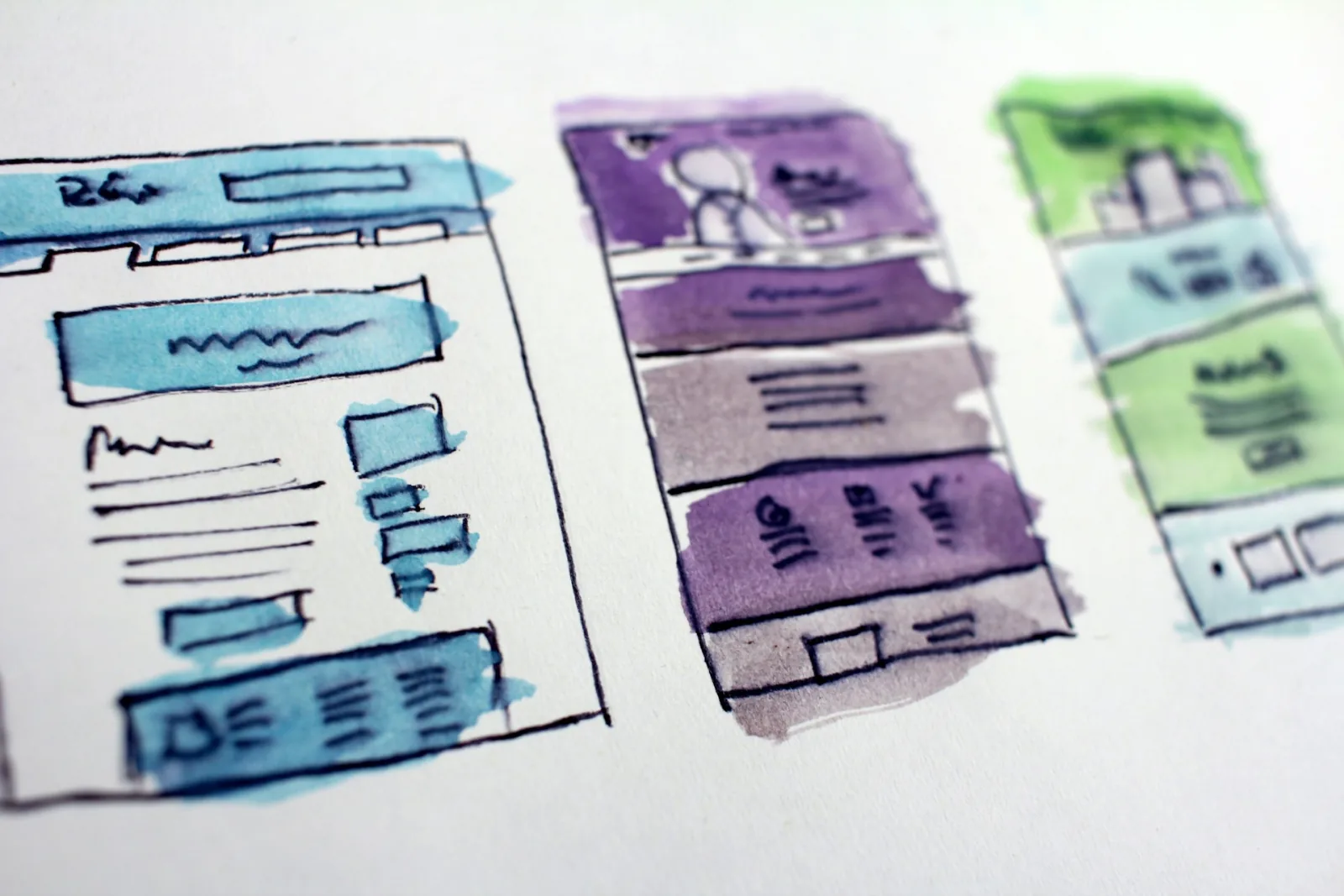
It's not enough to just have brilliant hashtags or appealing phrases anymore. A solid visual concept is one thing you can't miss. Understanding the impact of visual identity may change the way you think about marketing, whether you're a small business owner or just interested in how businesses get noticed online.
What is a visual concept, and why is it so important? Let's get started.