use Joomla\CMS\Uri\Uri;

Scroll through a newsfeed and you’ll notice a pattern: the eye captures the page in one sweep, then drills down. The entire block of text is judged for coherence before any single word receives attention. That first sweep is where your credibility is won or lost. A good standard to apply to your writing is to remember that it should form a clear, uncomplicated shape; stray marks—an orphaned clause, a dangling modifier—break the outline and jar the reader out of the flow.
A brand’s voice faces the same challenge. A quick product update from an iOS push notification must feel related to the 40-page report compiled on a Mac. Cohesive signals across channels tell customers they are dealing with one mind, not a committee.

Did you know that a lack of technical expertise is one of the biggest things holding small businesses back? According to PayPal’s 2024 Business of Change report, 59% of small business owners say it’s a major barrier to growth. And it shows, nearly half of Canadian online small businesses haven’t grown at all over the past three years.
But here’s the good news: building technical skills doesn’t have to be overwhelming. Yes, it takes some time and effort, but if it’s the one thing standing between you and growth, isn’t it worth exploring?
One of the simplest and most effective ways to start? Link building for small businesses. It helps drive organic traffic, boost your credibility, and improve visibility without blowing your marketing budget. In this article, we’ll explore how link building services for small businesses support growth and share 10 tactics especially tailored to smaller companies.
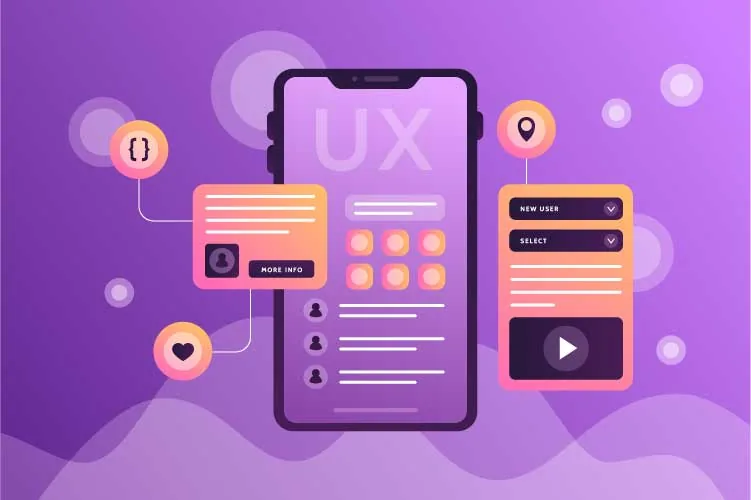
Website UX design directly influences web visitors' on-site behavior. It affects bounce rates, time on page, conversion rates, average order value, and even customer loyalty.
Yet, the thing is that targeting specialized niches often involves specific UX challenges. Unlike run-of-the-mill e-commerce and content pages, niche websites require you to go above and beyond in explaining the value of your offer. Plus, it's often crucial that you present your prospects with an enjoyable (and sales-inspiring) browsing experience, especially if your sales cycle runs long.
Fortunately, there are several UX design strategies you can employ to overcome these common UX challenges.
So, if you're looking to design a standout website UX for specialized niches, here's how to do it, along with a few great examples you can take inspiration from.
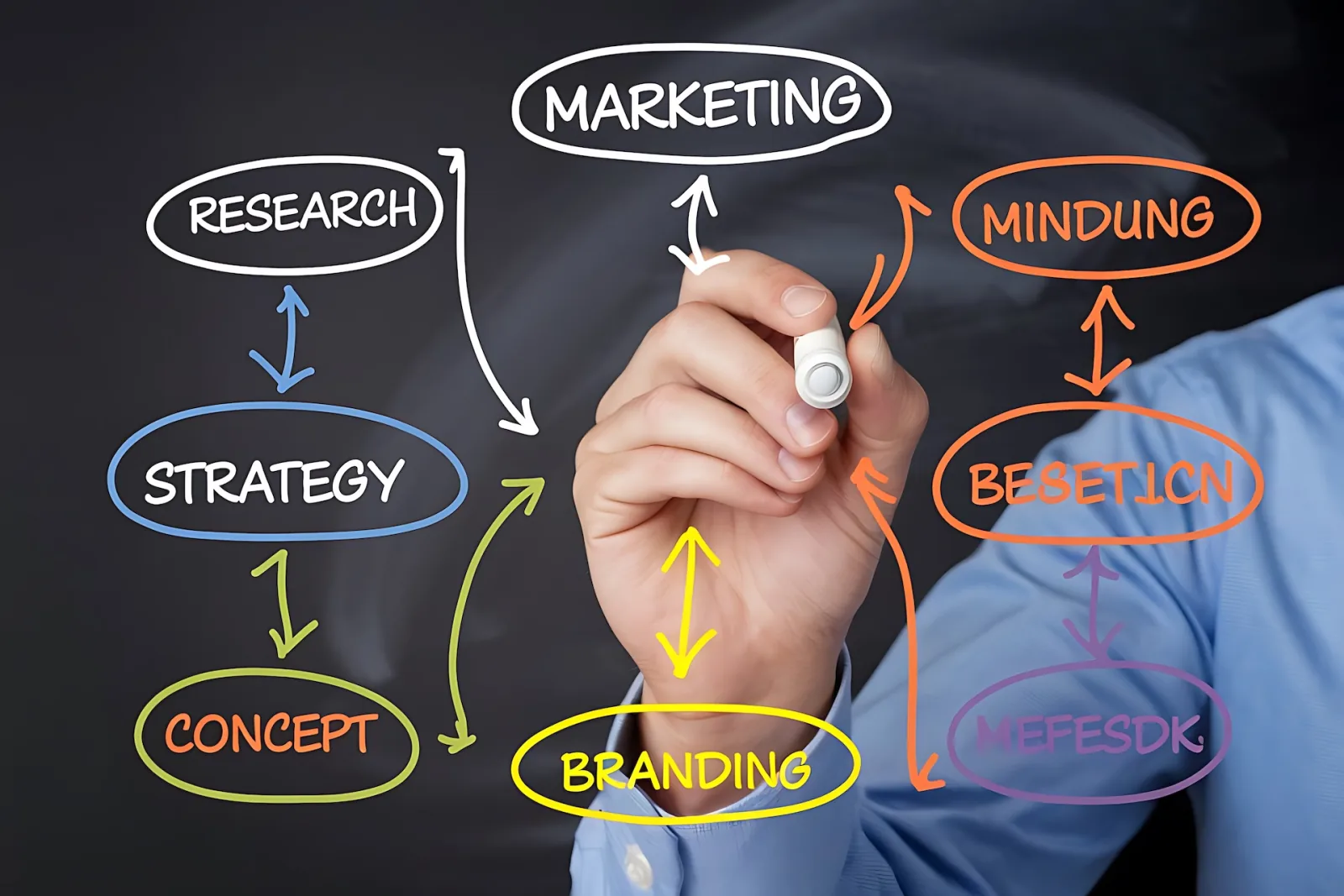
Lifecycle marketing is an essential strategy for businesses to nurture relationships with customers, increase their lifetime value, and enhance engagement. This article presents the top 10 lifecycle marketing agencies in the USA for 2025, detailing their services, technological expertise, and why they are regarded as leaders in the field.
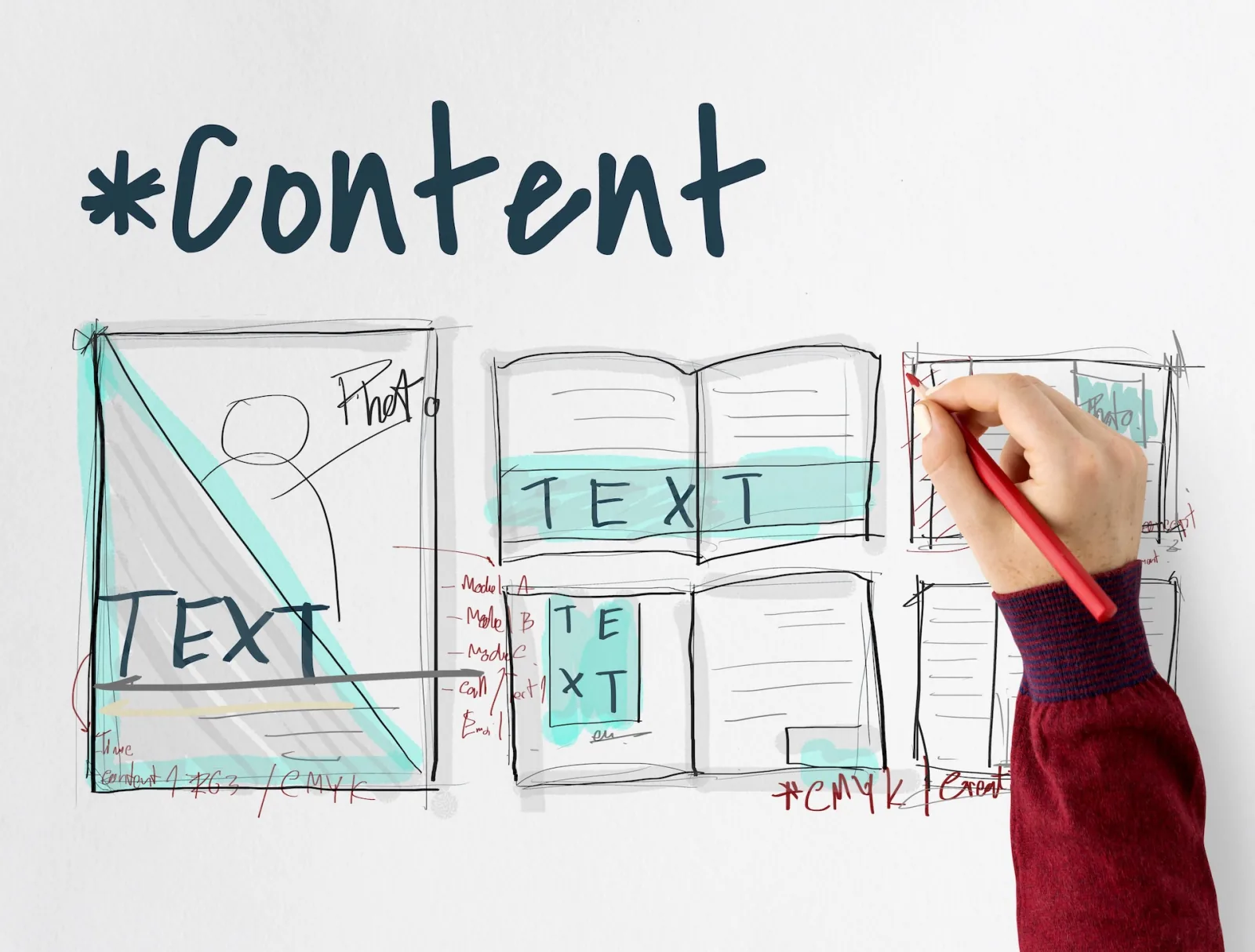
No beating around the bush—here it goes. Figuratively speaking, short-form content is a sprint, whereas long-form content is a marathon. The former wins people’s hearts before they can count to one (well, okay, to 30 in videos). The latter requires patience. Yet, once you cross that much-awaited finish line, the loyal crowd applauds and takes you up into the air.
But when should you schedule sprints, and what’s the golden hour for marathons in your content calendar? That is, which format is better: short-form vs. long-form content?
Let’s break it down and then explore the most suitable content marketing strategies for each separately. As a bonus, we’ll drop several winning tactics for both. Prepare for a far-off reading trip in this article, but it’ll be worth it in the long run (and we’ll make it pun-tastic).

Print marketing hasn’t vanished—it’s evolved. If you run a local business, you probably still lean on flyers, brochures, and mailers to reach your neighborhood. And there’s nothing wrong with that. But what if those same printed assets could work twice as hard by crossing into the digital space? This isn’t about throwing everything online and hoping it sticks—it’s about smart, intentional reuse. With a few creative pivots, your print materials can fuel your digital strategy and stretch your budget in the process. Let’s explore how to make that happen in ways that are fresh, doable, and not stuck in old marketing playbooks.

In 2025, the scroll has replaced the stroll. People don’t flip pages — they tap screens. And what are they tapping on? Videos.
And nowadays, there are many: a bite-sized TikTok clip, a sleek YouTube ad, a helpful how-to Reel on Instagram… The list can go on and on. Video has taken over the minds of ordinary folk, content creators, businesses, and even politicians.
Especially businesses. Video marketing is a huge trend and if your brand isn't using it, you’re basically whispering in a concert hall. Let's explore why video marketing has become so popular and how it can benefit businesses of all sizes.
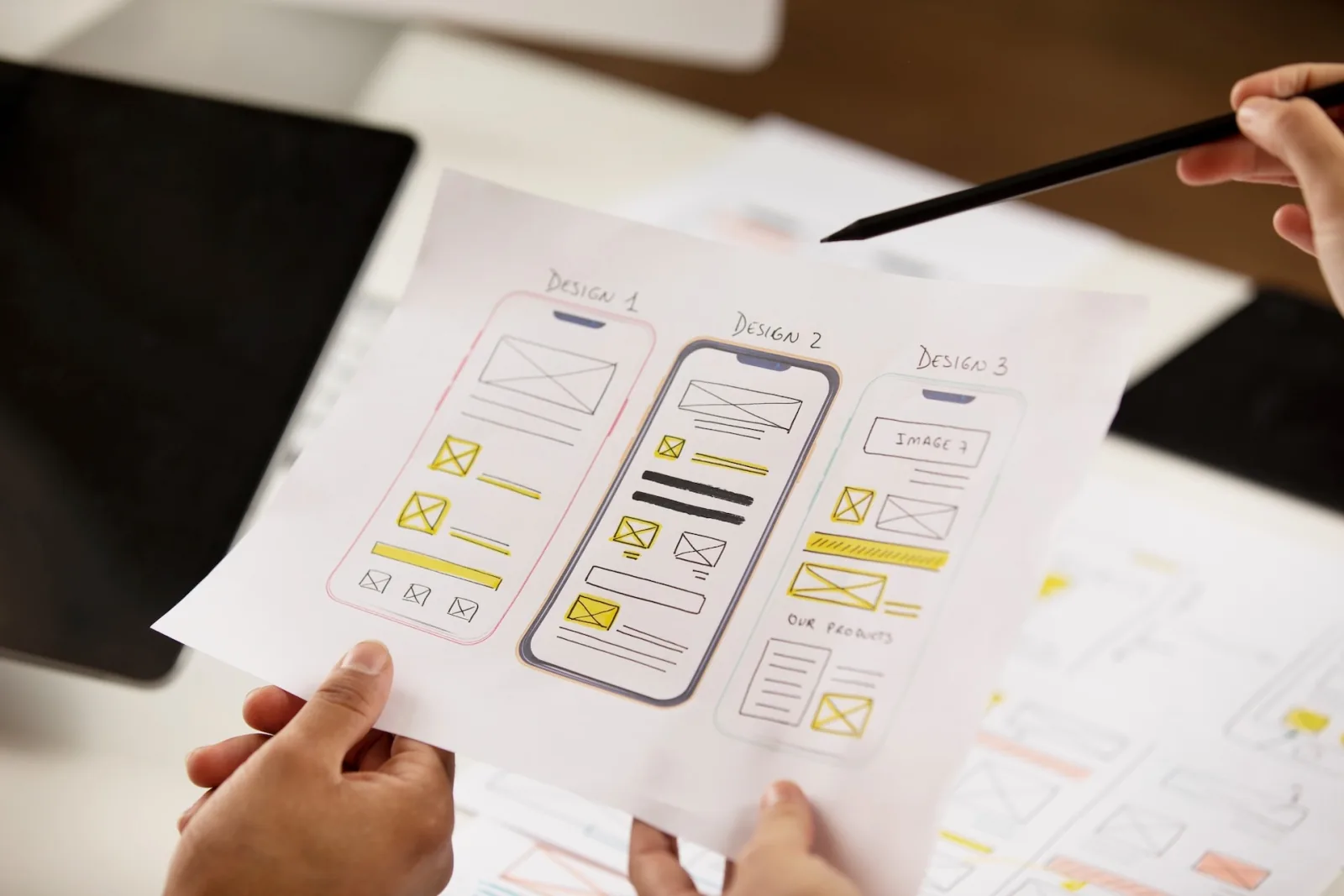
Data matters. Yet even the most sophisticated research tools fall short if the user experience frustrates, confuses, or misleads. Every digital interaction—from how a question is worded to the way a button is placed can shape the outcome. When design fails, data suffers.
Research integrity depends on more than protocols or intentions. It begins with a design that respects the participant’s attention, comprehension, and ease. A survey may look simple on the surface, but small UX decisions can have a major impact on response quality. The clearer the interface, the better the data. Researchers and designers share a responsibility: build systems that help people share what they know, clearly and confidently.

Visitors decide in seconds if a local business deserves their time. A small ripple of motion, a gentle color shift, or a subtle click sound can calm nerves immediately. These tiny signals whisper, “You can trust this site.” Without them, even polished pages can appear cold. People leave, bookings drop, and ad budgets leak value swiftly. First impressions rule revenue today.
Micro-interactions change that story. A form button lifts when tapped, showing it heard the user. A progress bar eases doubt during a quote request. Even a heart pulsing beside five-star reviews invites a smile. Each cue earns seconds of patience, and patience gives you space to present value. Design those cues with intent, and the visitor of local service websites becomes a client.

In the crowded, hyper-competitive world of modern marketing, standing out is no longer just about catchy slogans or flashy visuals. Consumers are bombarded with thousands of messages each day, and their brains have adapted to filter out noise and prioritize only what emotionally resonates.
Enter neuromarketing—a powerful discipline that applies neuroscience and psychology to better understand how people respond to marketing stimuli. Rather than guessing what works, neuromarketing helps brands tap into the subconscious minds of their customers to refine campaigns, build loyalty, and drive purchasing behavior.
We will explore how neuromarketing works, the science behind it, practical strategies to adopt, and ethical considerations for sustainable use.

The modern-day home service industry has become extremely competitive, which means capturing every potential client is critical. A common problem is that website visitors often don’t book. Luckily, there is a way you can mitigate such issues, and that’s where the power of remarketing comes in.
In IAB Australia’s survey, 74% of marketers reported that remarketing campaigns increased online conversions, and 55% saw an increase in mobile conversions. (Source: IAB Australia) Such figures only go to show how important remarketing strategies can be for your home service business.
In this post, we’ll help you understand the concept of remarketing, explain why it matters for your home service business, introduce some easy-to-apply strategies, and share some effective tips.
Thank you for contributing a guest post to our platform. To ensure your submission is processed quickly and appears correctly, please follow these guidelines carefully:
Search engine optimization (SEO) and content marketing are often discussed as distinct strategies. In fact, they're interdependent—you can't succeed at content marketing without search visibility, and SEO can't work without valuable content. Together, they form the foundation of a successful digital marketing strategy, drive quality traffic to your site, and convert visitors into repeat customers.
In this article, we demystify SEO and content marketing, explain how they complement each other, and highlight their key differences.