
Most blogs don’t generate leads because they’re built to publish, not to perform. People write, post, share, and hope something sticks. That’s not a strategy but a backlog of nice content collecting dust.
Meanwhile, the data is clear: Companies with active blogs pull in 67% more leads than those without. Not because they write more, but because they write with purpose.
If you want your blog to work, it needs to do more than show up in search results. It needs to meet people where they are and move them toward something useful, such as a conversation, a signup, or a hand-raise. That doesn’t happen by accident.
To do so, you need a clear process that connects the content you publish with the people you want to reach.
In this article, we’ll break down how to do exactly that, without making it weird or complicated.
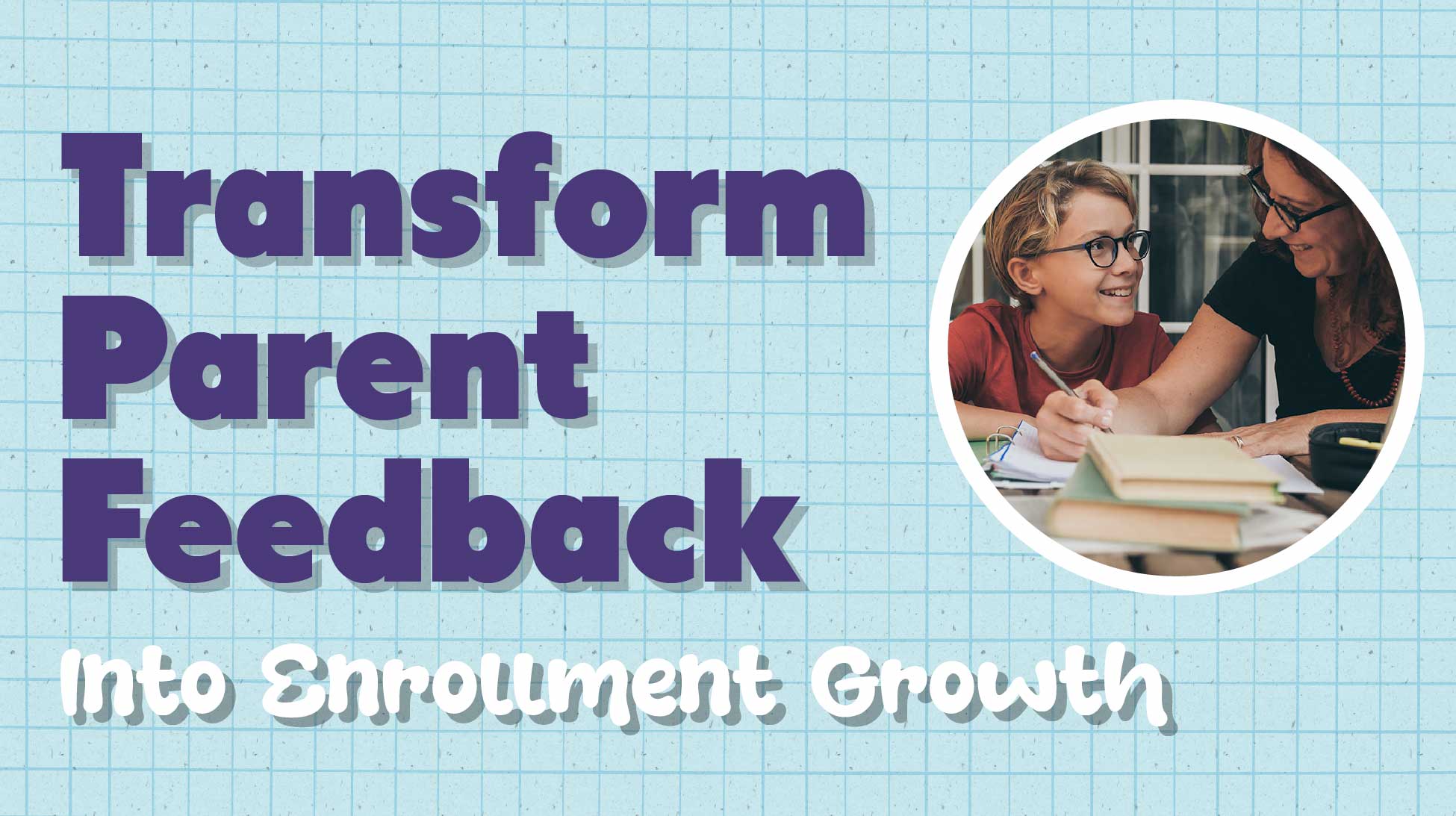
"We have very satisfied parents!"
If I had a dollar for every time I've heard a school administrator confidently make this claim with zero data to back it up, I could start a scholarship at their institution. Let's be honest – your gut feeling about parent satisfaction is about as reliable as a weather forecast two weeks out.
In the high-stakes world of private education, where tuition rivals the GDP of small nations and parents expect returns that would make Wall Street jealous, simply assuming families are happy is educational malpractice. The truth is, measuring parent satisfaction isn't just good practice – it's survival.
This post will cut through the feedback fog to deliver actionable insights on digital tools and tactics that actually work for measuring parent satisfaction. Whether you're a tech-savvy marketing director or a principal who still prints emails to read them (we know who you are), you'll find practical approaches that can transform parent feedback from a dreaded annual chore into your school's secret enrollment weapon.

Written By: Adam Bennett | July 28, 2025
Adam is the president and founder of Cube Creative Design and specializes in private school marketing. Since starting the business in 2005, he has created individual relationships with clients in Western North Carolina and across the United States. He places great value on the needs, expectations, and goals of the client.
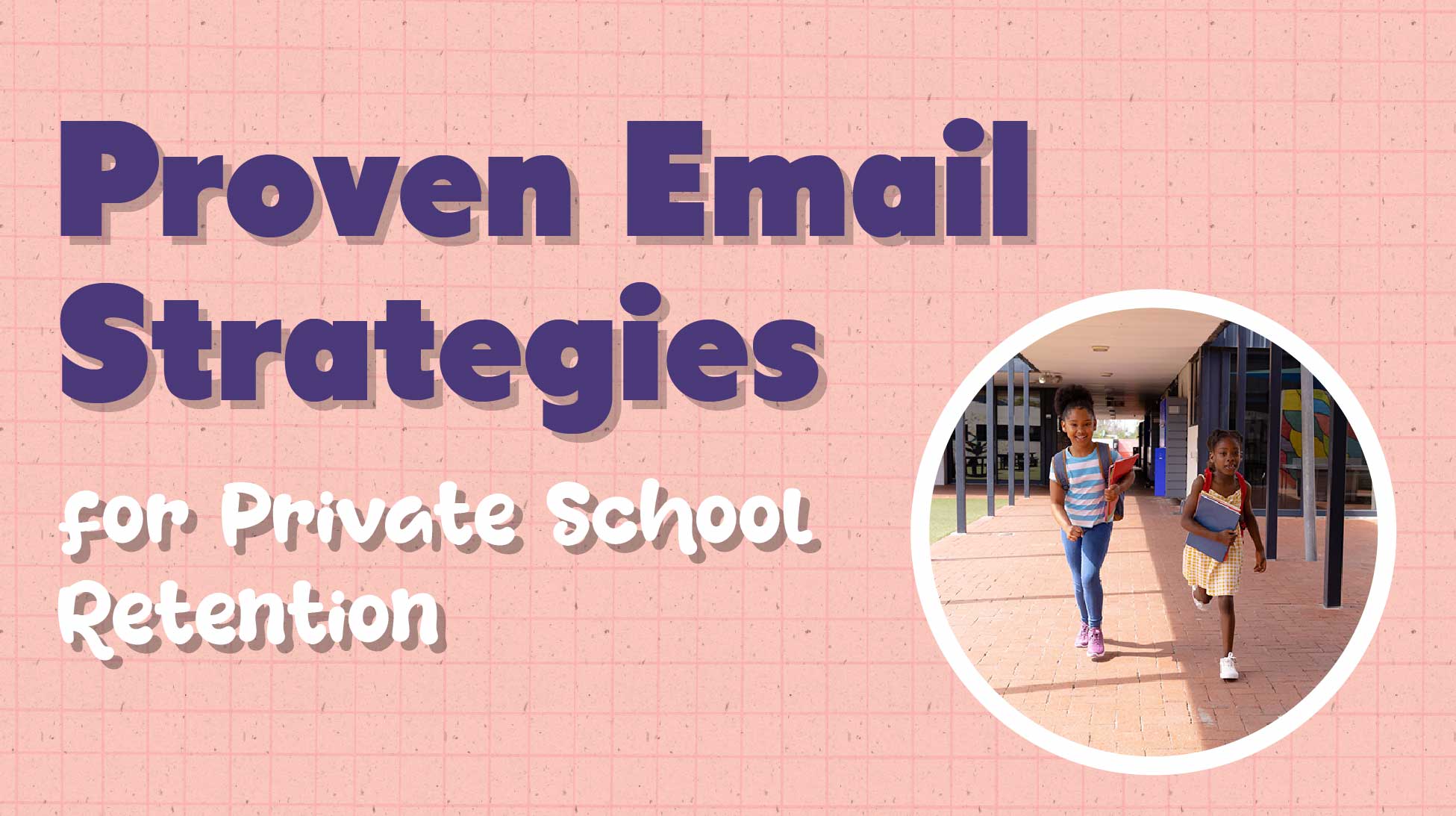
If your idea of "email marketing" is copying all your prospects into the BCC field and hitting send, we need to talk. Desperately.
Between your perpetually overworked staff, inconsistently followed-up leads, and interested families somehow falling through the cracks, you and your K-12 private school are leaving serious money on the table. With tuition ranging from $16,950 to $65,000 per student annually, these missed connections aren't just annoying—they're existential threats to your school's financial health. Education Data Initiative reports, "The national average private school tuition is $16,950 per year for K-12 schools, with elite private schools charging as much as $65,000 annually."
DID YOU KNOW? While you're still printing paper brochures like it's 1999, over 91% of prospective families now expect personalized communication, with more than half preferring email during the application process.
An automated email sequence—a series of pre-written messages triggered by specific actions or timing—is the secret weapon of those private schools that somehow always have "record enrollment numbers" (you know the ones). It's like cloning your admissions director: someone who never sleeps, never forgets to follow up, and never gets distracted by the latest cafeteria crisis.
The numbers don't lie: educational emails enjoy a 36.4% open rate—among the highest of any industry—and deliver an average ROI of $44 for every $1 spent. Campaign Monitor found that "education industry emails achieve an average open rate of 36.4%, significantly higher than the all-industry average." Even your board's most penny-pinching trustee would have a hard time arguing with that.
Written By: Adam Bennett | July 28, 2025
Adam is the president and founder of Cube Creative Design and specializes in private school marketing. Since starting the business in 2005, he has created individual relationships with clients in Western North Carolina and across the United States. He places great value on the needs, expectations, and goals of the client.

Let's face facts: homeowners aren't flipping through the Yellow Pages when their basement floods at 2 AM. They're frantically grabbing their phones and typing "emergency plumber near me" while standing ankle-deep in water. If your home service business doesn't appear in those critical search results, you might as well be invisible.
The brutal reality is that your Google Business Profile (GBP)—formerly known as Google My Business—has become the digital storefront that makes or breaks local home service businesses. While you're busy fixing leaky faucets, installing HVAC systems, or remodeling kitchens, your potential customers are making split-second decisions based on what Google shows them.
The difference between a mediocre and masterful Google Business Profile isn't just about showing up in search results—it's about converting those searches into actual phone calls, appointments, and paying customers. This isn't theoretical marketing fluff; this is about capturing those high-intent moments when property owners need exactly what you offer.
So why are so many home service businesses still treating their Google Business Profile like an afterthought? Perhaps it's the misguided belief that quality work speaks for itself. Spoiler alert: Your exceptional craftsmanship means absolutely nothing if potential customers can't find you in the first place.
Written By: Adam Bennett | July 28, 2025
Adam is the president and founder of Cube Creative Design and specializes in private school marketing. Since starting the business in 2005, he has created individual relationships with clients in Western North Carolina and across the United States. He places great value on the needs, expectations, and goals of the client.