use Joomla\CMS\Uri\Uri;

Long-form content takes time to create. A detailed guide, case study, report, ebook, or blog post can take days or even weeks to research and write.
Yet many businesses publish this content once and then move on to the next project.
That can waste a lot of its value.
Instead, you can turn useful long-form content into a digital resource that helps you collect leads. The process does not mean copying an old article into a PDF. It means taking useful information, improving it, and giving readers a clear reason to access it.
A good resource should solve a real problem. It should also give readers a simple next step.

Paid search looks simple from the outside. You bid on keywords, someone clicks, and a lead lands in the CRM. For software companies, the reality is messier, because the click and the closed deal can be separated by six months and a buying committee of eight people.
That gap explains why so many B2B software teams end up looking for agencies that work only in their category. Below is a round-up of six agencies known for paid acquisition work in SaaS, along with the questions worth asking before signing anything.

Most agencies buy competitor analysis tools for a reason that won't survive the next renewal. You wanted a cheaper version of the platform you already resent paying for, or a slick dashboard the client opens once and never again. Look — that logic stopped paying rent. Gartner predicted that traditional search engine volume would drop 25% by 2026 as buyers shift to AI chatbots and virtual agents. The job moved under you. Competitor analysis now has to read the answer an AI hands your client's prospect, not just the blue links nobody scrolls to anymore.
Short version: for an agency, SE Ranking is the tool I'd build the stack around. The Agency Pack stacks white-label reporting and client seats on top of all-in-one competitor data across organic, paid, and AI answers — AI Overviews, AI Mode, ChatGPT, Gemini, Perplexity. API and MCP ship on every plan. One honest nuance. If your pitches live and die on ad spend, SpyFu is cheaper and runs sharper branded PPC teardowns; if links are the whole story, Ahrefs digs deeper. Everyone else sits below. Here's the ranked six competitor analysis tools, starting with the one that reads a rival across SEO, PPC, and AI search.

The best SERP tracking tools for enterprise teams solve a data-engineering problem, not a dashboard problem. When you're monitoring 100k+ keywords across regions, languages, and devices, the constraints that decide the outcome are data accuracy and crawl-location fidelity. They also cover whether the numbers land in your own pipeline in a shape your BI layer can query. A tracker that samples the wrong locale, or only exposes rankings through an export button, fails silently at that volume, and you find out weeks later when a regional report doesn't reconcile. The surface keeps expanding: Google's AI Mode already had over 100 million monthly active users in the U.S. and India during rollout (Alphabet Q2 2025, blog.google), so it's a distinct SERP surface to track, not a footnote to organic position.

Running a small business often means you find yourself wearing too many hats. One minute you’re dealing with customers, the next you’re chasing invoices, updating your website, sorting emails, or trying to make sense of marketing reports. While this works in the early days, you’ll find it getting harder as your business grows.
Small business outsourcing provides a practical solution for owners who want to bring in help for specific tasks, without the cost or commitment of hiring a full-time employee.

Website design and optimization advice is often offered as a set of generalized guidelines. These actions are supposed to work for anyone, regardless of their area of expertise, target audience, or immediate goals.
Applying web design tips without first considering their appropriateness can work. But the more likely scenario is that they simply won’t yield positive outcomes — just like running expensive ad campaigns without a clear strategy.
Of course, some web optimization tactics are recommended for all businesses. This includes mobile and site speed optimization, adherence to accessibility standards, and SEO. Nonetheless, outstanding results demand a far more personalized approach. This is why your website’s design and performance must align with your specific goals.
So, how can you improve your site’s ability to build trust, generate leads, establish authority, and convert new customers? Here are the most important website lessons you need to learn, coming from brands with very different goals.

These days, there’s a lot of competition in the digital space, so small businesses can’t rely solely on traditional forms of advertising (like newspaper ads) to gain customers. More than ever before, people are searching for products and services online before deciding whether or not to buy them. The vast majority of consumers will investigate several options (including local services), compare prices, and read reviews about a product before they make their final purchase decision.
If you want your small business to attract new customers, having a solid online presence is critical to establishing yourself as a credible and accessible resource for potential buyers throughout their entire buying journey.
Many small and local businesses believe that creating an online presence can only be accomplished by spending a large amount of money or hiring a professional marketing team, but that is not true.
Any business can effectively compete to earn its share of the buyer's business by developing and implementing the right strategy based on three key principles: consistent use of the same message across all platforms; providing customers with an excellent user experience; and developing a strong relationship with each buyer. By doing so, you will generate qualified leads, improve brand awareness, and create long-term growth for your small business through digital marketing.
Companies that focus on building their digital visibility typically experience increased customer engagement through higher conversion rates over the long term. The way your business appears in the digital world (including your website, search engines, social media, or customer reviews) is a significant factor affecting how people perceive your small business.
Thus, creating a strong foundation within your digital ecosystem is not about being everywhere digitally, but rather, it’s about creating compelling experiences for your buyers that result in developing trust with them and increasing their likelihood of choosing to do business with your brand.

The way people see your business often starts before they ever speak to you, buy from you, or visit your website for long. It starts with your branding. The trouble is, a lot of small businesses don’t realize when something feels off.
Maybe your message is unclear, your visuals don’t quite match, or your business just blends in too easily.
These kinds of branding mistakes are common, but they can be fixed. A few smart changes can make your brand feel more recognizable, more trustworthy, and much more like you.

Ask any creative freelancer to describe their ideal workspace, and you’ll probably get an answer that involves a great atmosphere, aesthetic value, and plenty of different workspaces to support creativity.
For solo business owners, visual artists, and designers, having a professional studio can elevate their productivity and brand. But securing that studio when you don’t have a conventional W-2 paycheck isn’t always straightforward. Fortunately, thanks to the financial tools available today, coupled with some resourcefulness, you can turn your dream studio into reality.
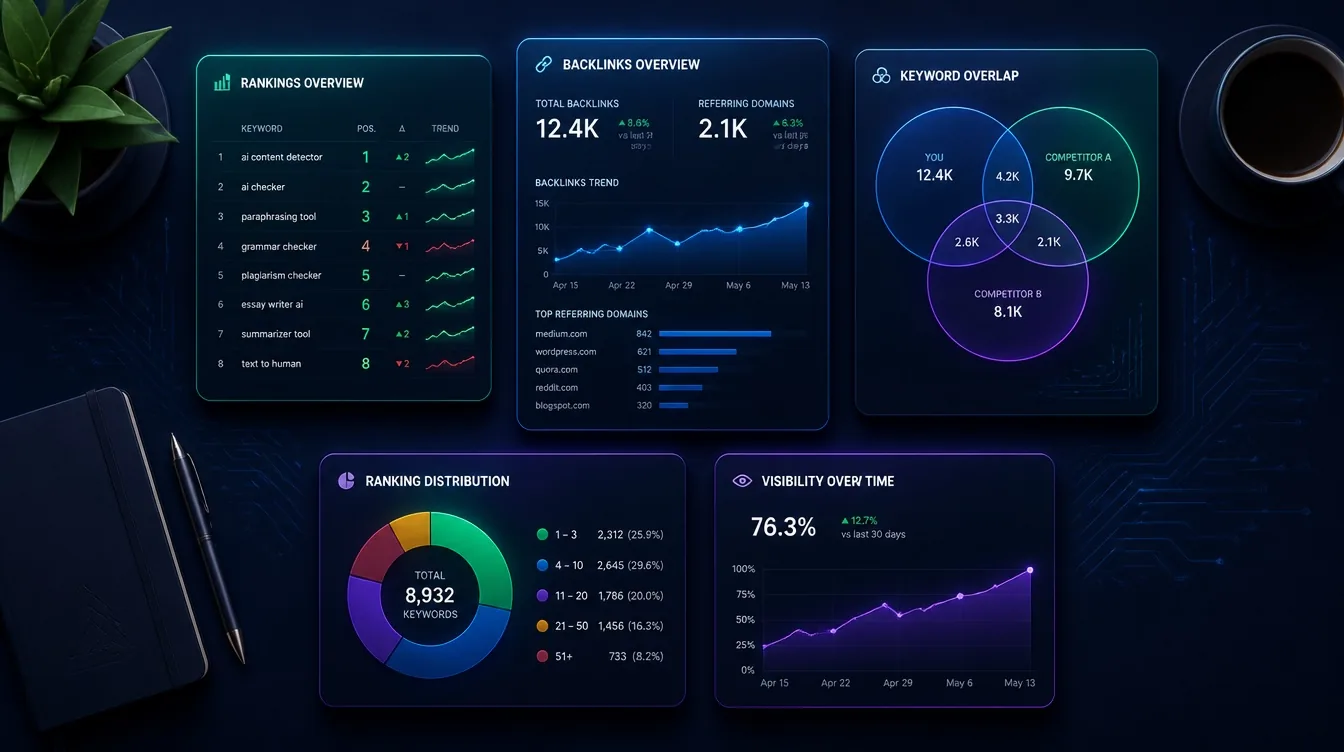
If you work with SEO data programmatically, Semrush's API pricing is hard to ignore. At enterprise scale, costs climb fast. The good news is that the market for SEMrush API alternatives has matured considerably. Five tools stand out: SE Ranking, Majestic, Ahrefs, Serpstat, and DataForSEO. Each one is a credible alternative to SEMrush API for different workflow types — from backlink audits to real-time SERP monitoring.
This article gives you a structured, side-by-side breakdown so you can match the right API to your actual data needs. No filler.

Finding a DataForSEO alternative usually happens when you hit a wall with billing complexity or specific endpoint latency. You need raw search results, keyword metrics, or backlink data without a headache. This guide breaks down the most reliable DataForSEO alternatives currently available. We focus on speed, data depth, and how well these tools play with your existing tech stack. If you want the best DataForSEO alternative that fits a specific budget, you will find it below.
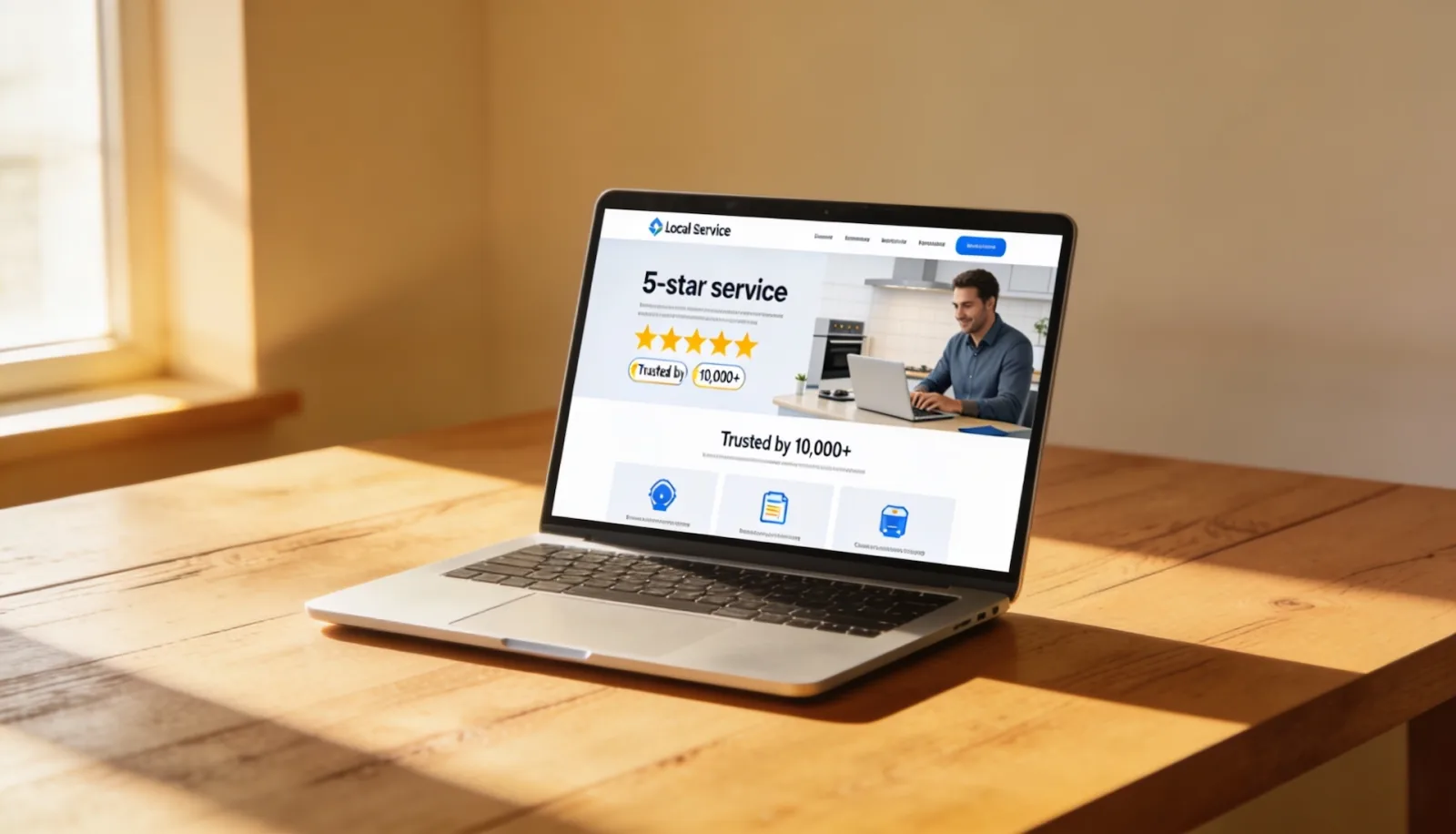
Building trust — particularly in industries where your prospects don’t have the opportunity to see and try out physical products before making a conversion decision — can be exceptionally difficult. And the fact that people’s trust in most organizations is eroding isn’t helping either.
While research clearly demonstrates that a growing number of people are taking brand credibility and competence into account before committing to a purchase, data also indicates that earning consumer trust has never been as difficult as it is right now.
People no longer rely solely on traditional trust signals to make their buying decisions. Nowadays, they’re taking into account value-based factors and benevolence signals. Furthermore, the economic outlook is making many consumers rethink their spending, driving them to prioritize value-for-money rather than pure quality of service.
So what does this mean for service area businesses trying to establish positive reputations? Well, it demonstrates that they need to identify effective methods to earn customer trust. Content marketing — especially on social media — can be a great method to do this (as well as to build brand awareness). However, for conversion-driving results, brands have to invest in trust-building web design, more specifically, user experience elements that effectively turn web visitors into customers.
So, what’s the best method of designing for trust? And how can SABs employ UX strategies to boost conversions and brand reputation? Read on to find out.