
Let’s be honest. When most business owners talk about growth, the conversation usually starts and ends with one big question:
“How do we get more customers in the door?”
New customers feel excited. They energize the business. They validate your marketing.
But here is the part most people never slow down long enough to consider:
Getting a new customer often costs five to twenty times more than keeping an existing one.
So if you’re spending time, money, and effort to win customers, the real question becomes:
Are they sticking around long enough for the investment to pay off?
A few key financial metrics can answer that. Let’s walk through them in simple, practical terms.
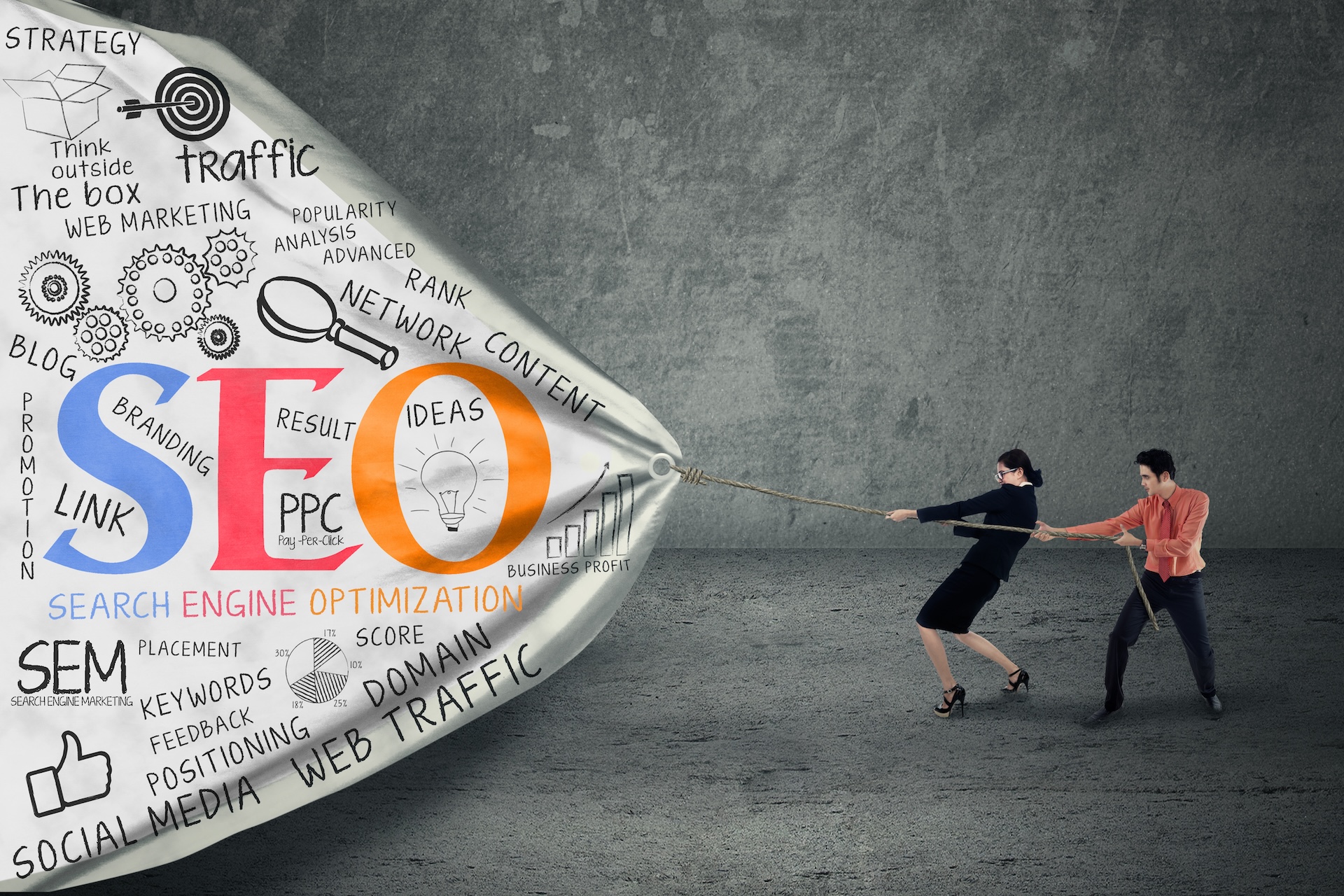
SEO has entered a new phase where AI integration, automation, and predictive insights are at the center of every decision. The rise of AI-powered SEO tools and predictive SEO analytics is changing how teams plan, execute, and measure success.
Google’s AI Overviews, ChatGPT answers, and other LLM-based search features have created new visibility layers that didn’t exist a year ago. To stay competitive, SEO professionals are looking for Semrush alternatives that combine rank tracking, backlink data, and AI search monitoring within one unified view.
Budgets are also tighter, and ROI expectations are higher. Teams want keyword tracking software, competitor analysis software, and website audit software that automate reporting and remove manual tasks. This shift has made automation a necessity, not a nice-to-have.
Today’s SEO decisions are driven by the need to adapt. Professionals are choosing platforms that automate repetitive work, deliver real-time insights, and keep costs predictable. The best Semrush alternatives 2026 stand out because they meet all three.

Content marketing has experienced significant changes over the years. The growing influence of artificial intelligence is shaping how brands communicate with audiences. Companies are rethinking strategies to ensure relevance and connection. As artificial intelligence continues to impact content creation and distribution, marketers must prepare for fresh challenges and opportunities. Understanding this shift is essential for future growth.

If you’ve ever looked at your website analytics and felt slightly unsure what any of it really means, you’re definitely not alone. Most business owners get told they need “more traffic” or “better rankings,” but those numbers don’t matter much on their own.
What really counts is whether people actually do something after they arrive on your site. Do they stay? Do they click anything? Do they buy anything? That’s where conversion metrics come in. They act a bit like checkpoints; small signals that show you how real visitors behave instead of how you think they behave.
When you understand these signals, making improvements becomes a lot less guesswork and a lot more clarity.