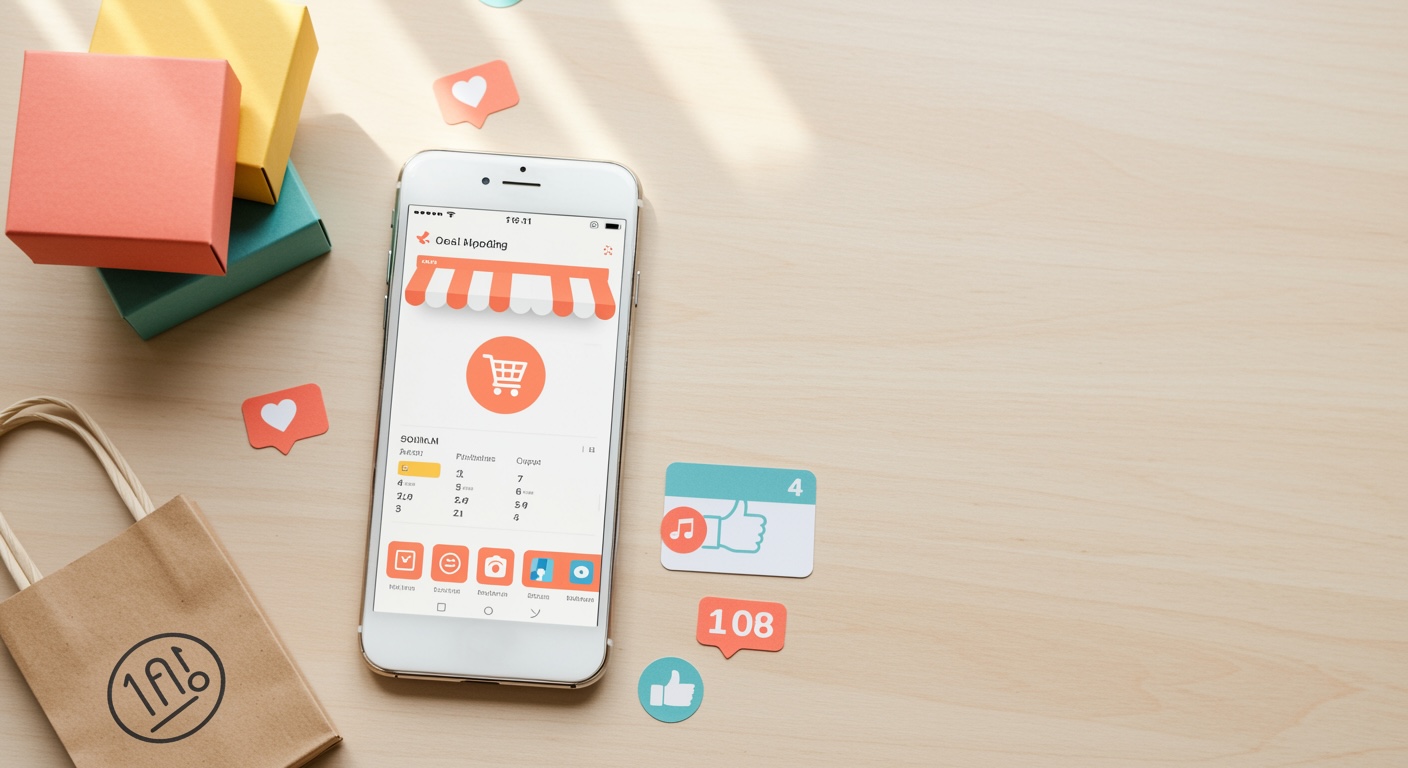
Social commerce is shopping that happens right inside social platforms. People discover a product in a post or livestream. They ask a question in the comments or send DMs. They check out without ever leaving the app.
A decade ago, we were experimenting with "buy" buttons. Today, we've got fully shoppable feeds, in-app storefronts, live shopping, and creator-driven product drops on platforms most of us open before breakfast.
As we hit 2026, social commerce isn't a side channel. It's a daily habit for millions of people and a serious revenue driver for businesses of every size.
Social commerce has changed the game for local businesses—more reach and lower friction. It gives them a chance to bring their signature personal touch online. Think of what's changed and what's working, not to mention where small, local brands can win right now.
Learn more about the state of social commerce in 2026 and beyond. As a local business, read on to prepare for the challenges and opportunities it brings.

Have you ever posted something great online, heard nothing but crickets, and wondered where everyone went? The digital world in 2026 is louder than ever. People constantly move between TikTok, Instagram, YouTube, and Google. Audiences expect brands to show up everywhere, yet posting the same content on every platform rarely works. That approach leads to burnout and weak engagement. Instead, successful brands build smart strategies that adapt one core story across multiple channels.
This shift reflects the growing age of platform diversification. Relying on one traffic source now feels like balancing on one leg. It may work for a while, but one algorithm change can knock everything over. Recent studies show that 66% of creators plan to expand to new platforms in 2026. They are not leaving their existing audiences. They are building a portfolio across platforms like YouTube, Pinterest, and emerging spaces such as Threads.
For brands, this approach reduces risk and expands reach. Different platforms attract different behaviors and audiences. Someone scrolling Instagram may never watch long YouTube videos. Someone browsing Pinterest might already be ready to buy. Missing these spaces means missing potential customers. In this blog, we will explore how to build a high-impact content strategy that connects multiple platforms while maintaining a consistent brand story.

What if the real reason your day feels chaotic isn’t the workload but the lack of the right tools? Many small service businesses lose hours to preventable mix-ups, slow communication, and scattered information. The fix is often simpler than expected.
With the right software, jobs stay organized, customers stay informed, and your team moves faster with less stress. This guide shows you exactly which tools make that shift happen and how they can transform your daily workflow.

At first, any marketing setup works well enough. You’ve hired a few contractors. Maybe one internal marketer is juggling campaigns, email, and analytics. Results are decent. Then the company starts scaling, and the cracks appear.
Campaigns slow down because no one owns the full funnel. Messaging drifts between channels. Reporting becomes a weekly scramble because the data lives in three different tools.
That’s usually when leadership asks the question:
Should we build a real internal team, or bring in an agency?
There isn’t a universal answer. But the trade-offs become very clear once you’ve lived through both models. This guide will help you see both sides and decide.