use Joomla\CMS\Uri\Uri;
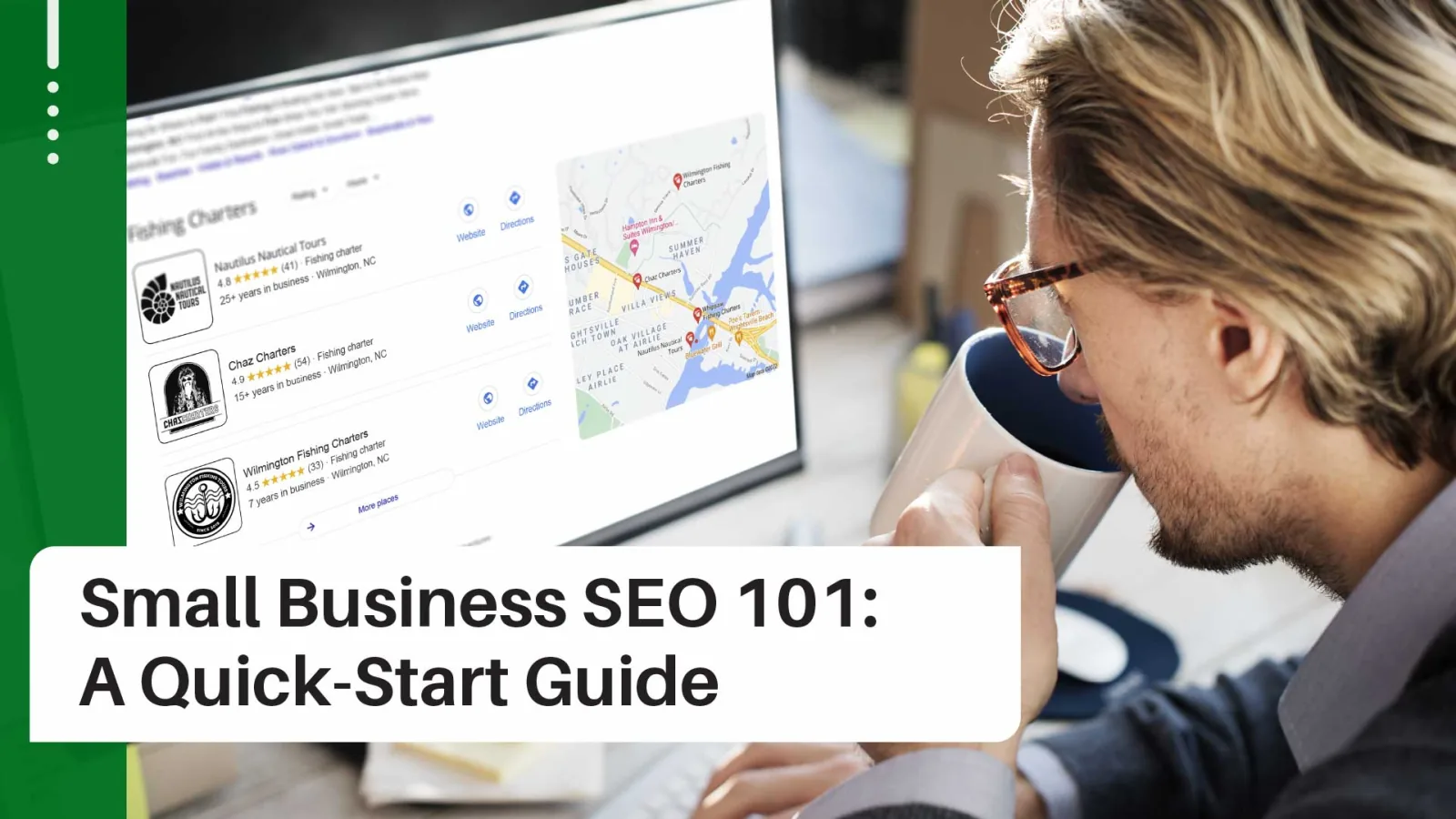
Search Engine Optimization, or SEO, might sound like a buzzword or technical jargon, but in today’s digital age, it’s a powerful tool that can propel your small business to new heights. Understanding and implementing SEO strategies can significantly improve your online visibility and attract more clients.

Written By: Chad J. Treadway | November 08, 2023
Chad is our Chief Smarketing Officer. He will help you survey your small business needs, educating you on your options before suggesting any solution. Chad is passionate about rural marketing in the United States and North Carolina. He also has several certifications through HubSpot to better assist you with your internet and inbound marketing.
Effective marketing is crucial for any small business to attract clients and stand out from competitors. With limited budgets and resources, small businesses need affordable strategies that deliver results. This comprehensive guide shares the top six marketing tips for small businesses based on proven best practices.

Written By: Adam Bennett | November 06, 2023
Adam is the president and founder of Cube Creative Design and specializes in private school marketing. Since starting the business in 2005, he has created individual relationships with clients in Western North Carolina and across the United States. He places great value on the needs, expectations, and goals of the client.

Are you the proud owner of a small service area business (SAB) who desires more visibility and engagement for your content? Have you been trying to get Google’s attention but are not quite sure how? I understand hearing words like digital marketing, SEO, and content generation can be intimidating. Add in that you are competing with every Chuck in a truck; it's overwhelming, to say the least. Fortunately, there are 11 simple tips that you can take to give yourself a fighting chance at getting Google's attention!
In this blog post, we will discuss different behaviors and techniques that may help increase your chances of having Google gobble up all the amazing content your small business has to offer. Read on to discover more about getting noticed online in today's digital landscape!
Written By: Chad J. Treadway | November 03, 2023
Chad is our Chief Smarketing Officer. He will help you survey your small business needs, educating you on your options before suggesting any solution. Chad is passionate about rural marketing in the United States and North Carolina. He also has several certifications through HubSpot to better assist you with your internet and inbound marketing.
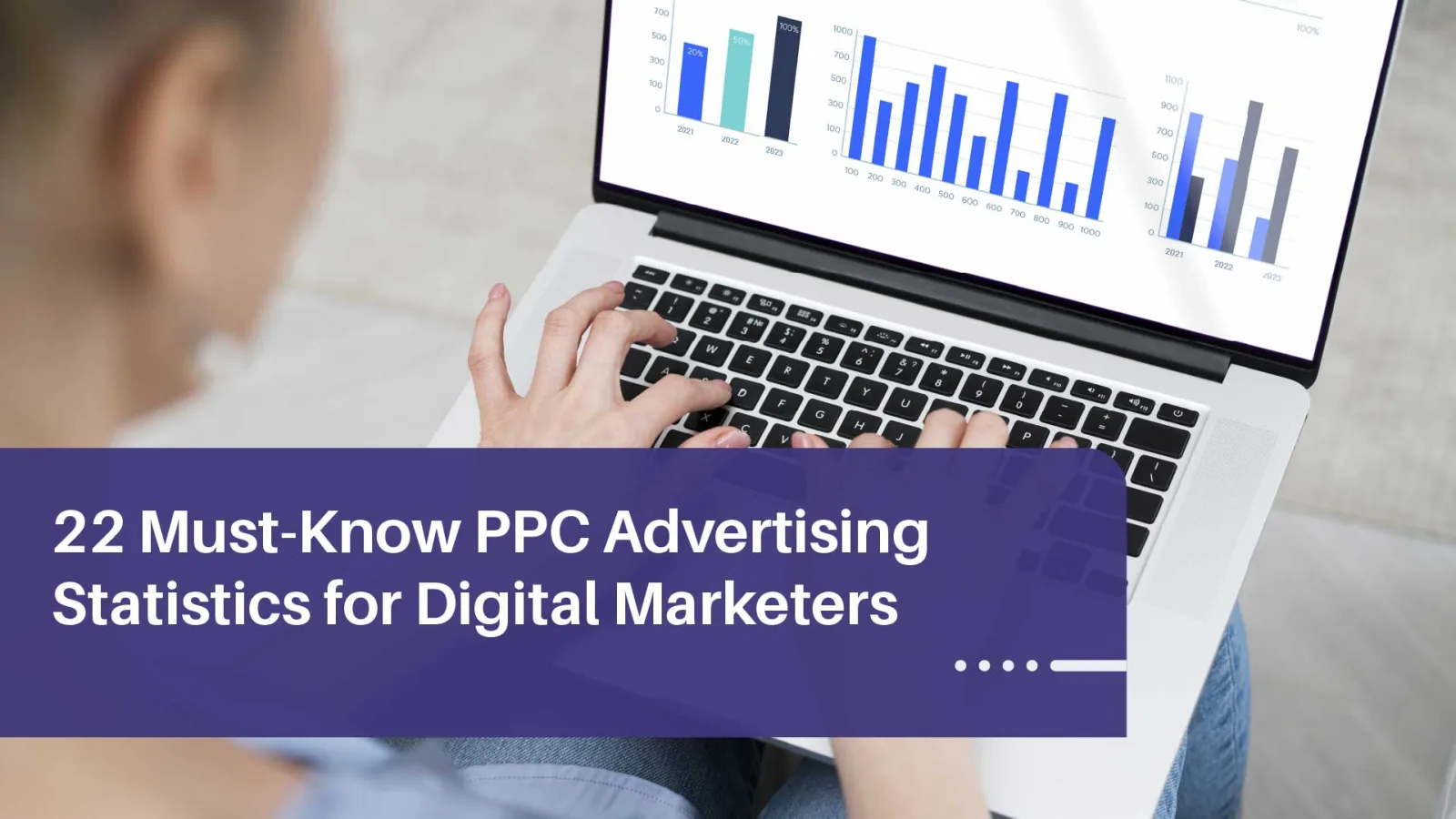
Pay-per-click (PPC) advertising dominates the digital marketing and local SEO industry, raking in billions of dollars annually. To shed light on its significance and potential in today's sales landscape, we've compiled a comprehensive list of PPC statistics.
PPC has emerged as the go-to method for digital advertising, and for good reason: it's a powerful tool to attract new customers and drive sales.
Now, let's debunk the myth that PPC is only for deep-pocketed corporations. Small and medium-sized businesses can reap significant benefits without exorbitant investments, as you'll discover below.
Written By: Adam Bennett | November 01, 2023
Adam is the president and founder of Cube Creative Design and specializes in private school marketing. Since starting the business in 2005, he has created individual relationships with clients in Western North Carolina and across the United States. He places great value on the needs, expectations, and goals of the client.

Want your website content to rank higher and captivate readers? Proper use of heading tags (H-tags) could be the secret ingredient you're missing.
These humble HTML elements have an outsized impact on how people consume content online. H-tags provide structure, improve readability, and help search engines understand your pages.
By learning how to structure webpages with H-tags effectively, you can create content that both users and Google will love. Read on to unlock the full power of these underrated workhorses.

Written By: Janis Barlow | November 01, 2023
Janis is our Web Programming Specialist And Web Developer. She has been working with the web since its inception and has worked for household names such as Lockheed Martin and Wells Fargo.

Are you looking to showcase your business to your ideal B2B clients and drive substantial growth? If so, you need more than just great content; you need a well-crafted content marketing strategy.
Without strategic alignment, even the most well-produced content will fail to attract, engage, and convert your target buyers. However, with the right strategy, your content can solve prospects' problems and position your brand as the obvious solution when they're ready to make a purchase.
This post will walk you through a proven 7-step framework for developing an effective B2B content marketing strategy from scratch.
Written By: Adam Bennett | October 30, 2023
Adam is the president and founder of Cube Creative Design and specializes in private school marketing. Since starting the business in 2005, he has created individual relationships with clients in Western North Carolina and across the United States. He places great value on the needs, expectations, and goals of the client.

Small business owners know that they can succeed better with enough social media presence. There are available strategies and tools to help social media marketers promote various products and services without having to go overboard.
Social media specialists are familiar with some of the common tactics to let small businesses make it - even if the competition seems tough. The better they are at using the right tactics, the better that businesses can become famous. Promoting on social media without spending a lot of money can be done as long as the right experts and professionals are hired.

Written By: Hannah Kilpatrick | October 23, 2023
Hannah Kilpatrick Cube Creative DesignHannah Kilpatrick graduated from Western Carolina University in 2021 with a Bachelor of Science in Communication with a Minor in Marketing and a Concentration in Public Relations. She has been around social media since its creation. (Meaning, she was in the first grade when Facebook became available to the general public.) As our very own professional Gen-Z, Hannah is a whiz when it comes to social media creation and paid advertising.
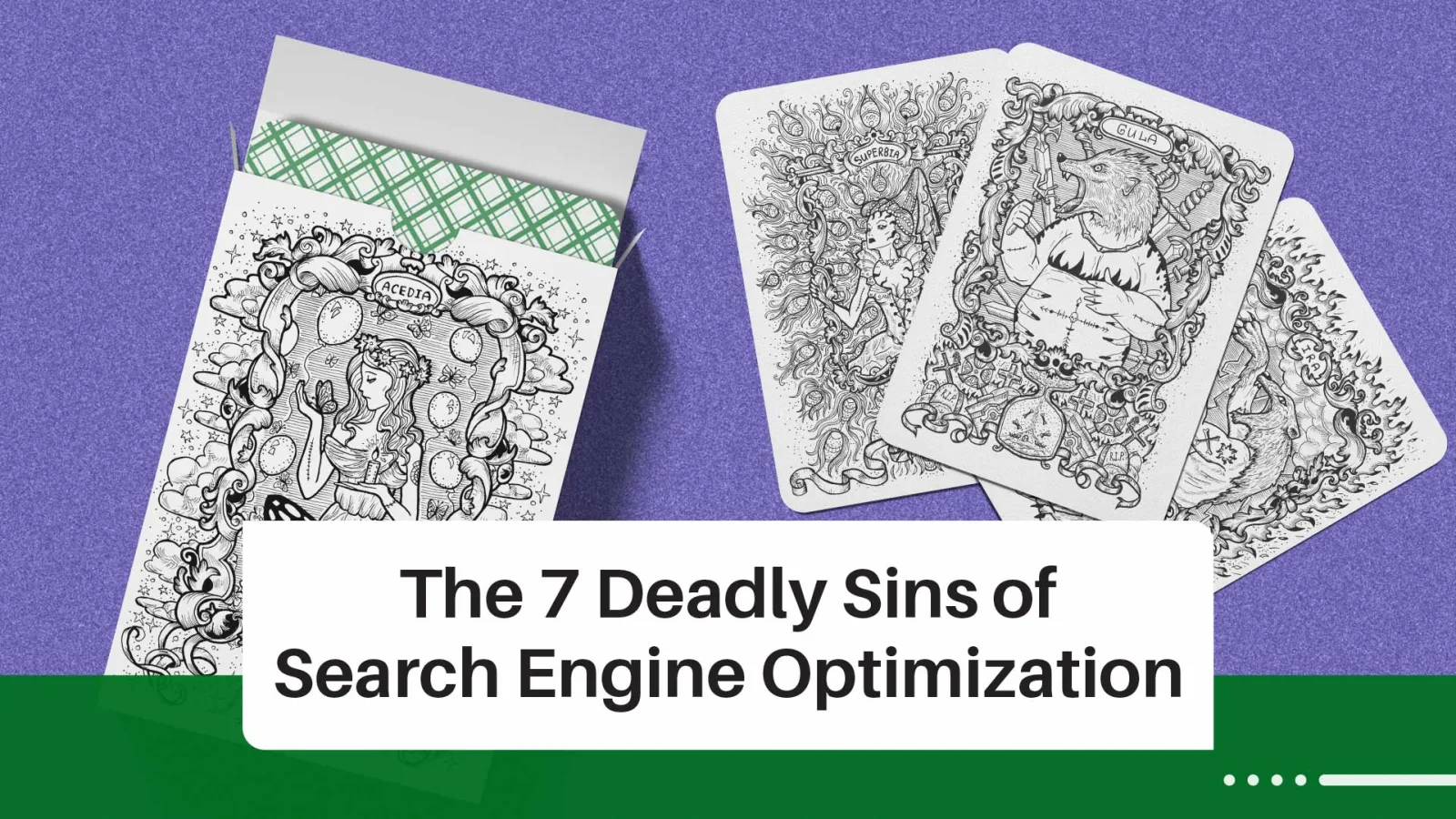
In the fast-paced world of online business, the quest for SEO success can sometimes lead down a treacherous path. Small business owners, eager to boost their online presence and climb the search engine rankings, often encounter the seven deadly sins of SEO. These transgressions, like the sins of old, can lead to downfall and suffering. But fear not, for in this blog post, we will explore these digital sins through captivating fictional but practical stories of business owners who have fallen victim to their allure.
Written By: Chad J. Treadway | October 18, 2023
Chad is our Chief Smarketing Officer. He will help you survey your small business needs, educating you on your options before suggesting any solution. Chad is passionate about rural marketing in the United States and North Carolina. He also has several certifications through HubSpot to better assist you with your internet and inbound marketing.

If you work in social media and you’re anything like me, the ever-changing world of social media platforms can make you want to lay on the ground, blast some Zach Bryan in your air pods, and have a good, uninterrupted cry. (When will Mark Zuckerberg stop making useless Meta updates that don’t work? The world may never know.) Additionally, if you’re still hanging in here with me, you also feel guilty at the first sign of burnout and stress because let’s face it- you freaking love your job and you feel lucky to have it. (We’re all friends here, let’s be honest; you couldn’t catch me dead working in a job where I can’t be creative and have fun. I’d be the worst accountant ever.)
In recent years, social media platforms have become the go-to place for businesses to reach their target audiences. As a result, social media jobs have become some of the most demanding marketing jobs in the industry. Social media managers are responsible for creating and executing social media strategies, managing multiple social media accounts, analyzing data, and staying up-to-date with the latest trends. With social media platforms constantly evolving, social media managers must be adaptable and able to pivot quickly. These jobs often require long hours and the ability to work under pressure, making them some of the most challenging but rewarding marketing jobs available. This job keeps us on our toes, makes it hard to turn off our brains at night, and can truthfully make it difficult to put our phones down and relax.
So if your social media job is sucking the life out of you, I completely get it and I’ve been there. (Maybe one day I’ll share the story, but I’m going to leave you on a cliffhanger until then.)
Here are five tips that I use in my own, real life outside of the internet to find a consistent balance between life and work:
Written By: Hannah Kilpatrick | October 16, 2023
Hannah Kilpatrick Cube Creative DesignHannah Kilpatrick graduated from Western Carolina University in 2021 with a Bachelor of Science in Communication with a Minor in Marketing and a Concentration in Public Relations. She has been around social media since its creation. (Meaning, she was in the first grade when Facebook became available to the general public.) As our very own professional Gen-Z, Hannah is a whiz when it comes to social media creation and paid advertising.
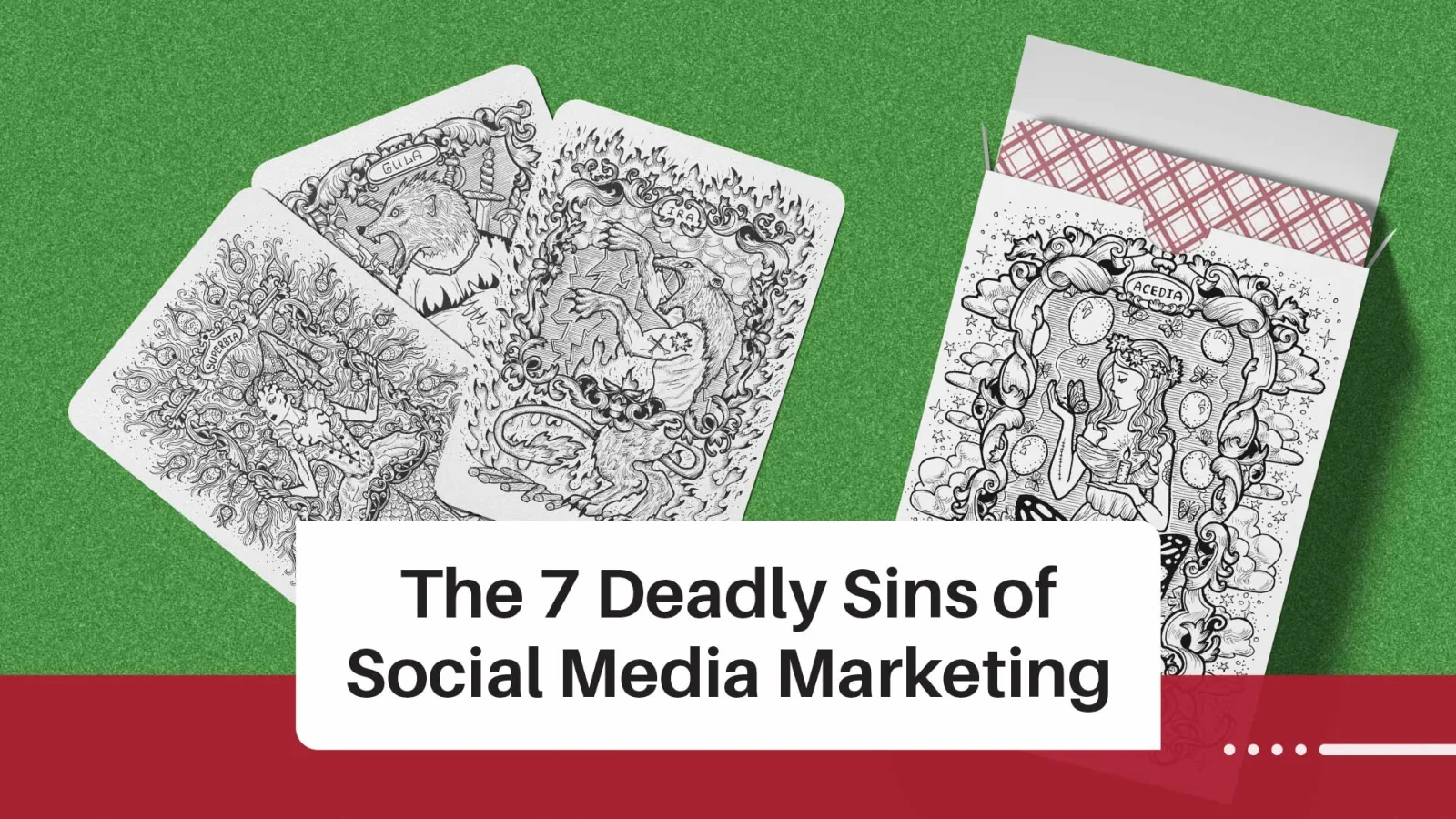
The road to social media marketing success is filled with perilous pitfalls. It's all too easy for small businesses to lose sight of their core values and make missteps that jeopardize their reputation and relationships with clients and customers.
In this post, we'll explore how the seven deadly sins - lust, sloth, gluttony, envy, wrath, greed, and pride - can manifest as toxic traits that undermine social media strategies. We will also illuminate the hidden hazards so you can navigate the social media landscape thoughtfully and authentically, avoiding the cardinal mistakes that can lead many small businesses astray. If you want to fortify your social media presence against the seven sins of social media marketing, read on - the devil is in the details.
Written By: Hannah Kilpatrick | October 11, 2023
Hannah Kilpatrick Cube Creative DesignHannah Kilpatrick graduated from Western Carolina University in 2021 with a Bachelor of Science in Communication with a Minor in Marketing and a Concentration in Public Relations. She has been around social media since its creation. (Meaning, she was in the first grade when Facebook became available to the general public.) As our very own professional Gen-Z, Hannah is a whiz when it comes to social media creation and paid advertising.
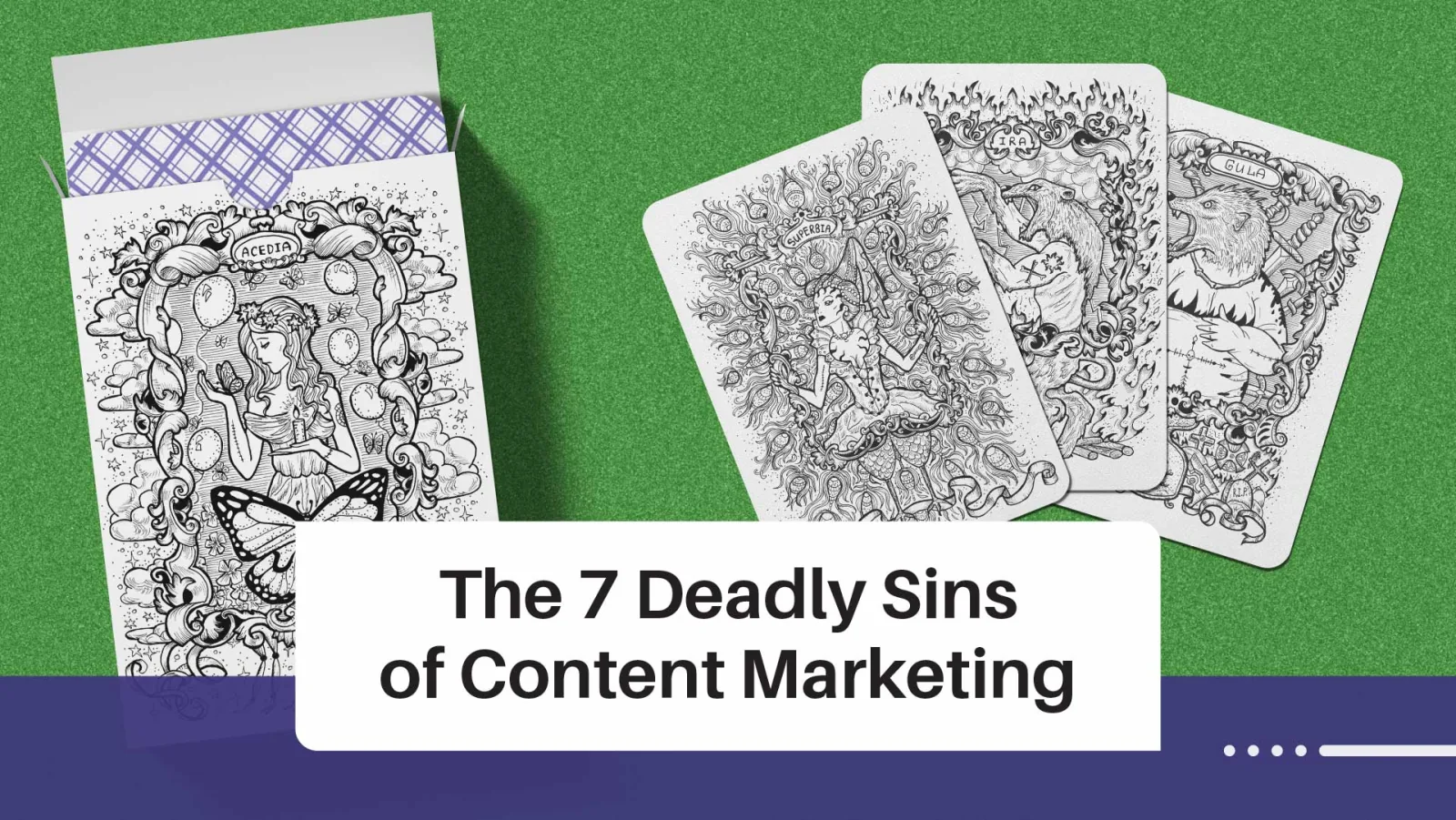
In the ever-evolving landscape of digital marketing, content reigns supreme. It’s the heart and soul of your small business’s online presence, the bridge that connects you with your audience, prospects, and the key to unlocking growth. However, like any journey, the path to content marketing success is fraught with pitfalls.
Written By: Chad J. Treadway | October 04, 2023
Chad is our Chief Smarketing Officer. He will help you survey your small business needs, educating you on your options before suggesting any solution. Chad is passionate about rural marketing in the United States and North Carolina. He also has several certifications through HubSpot to better assist you with your internet and inbound marketing.
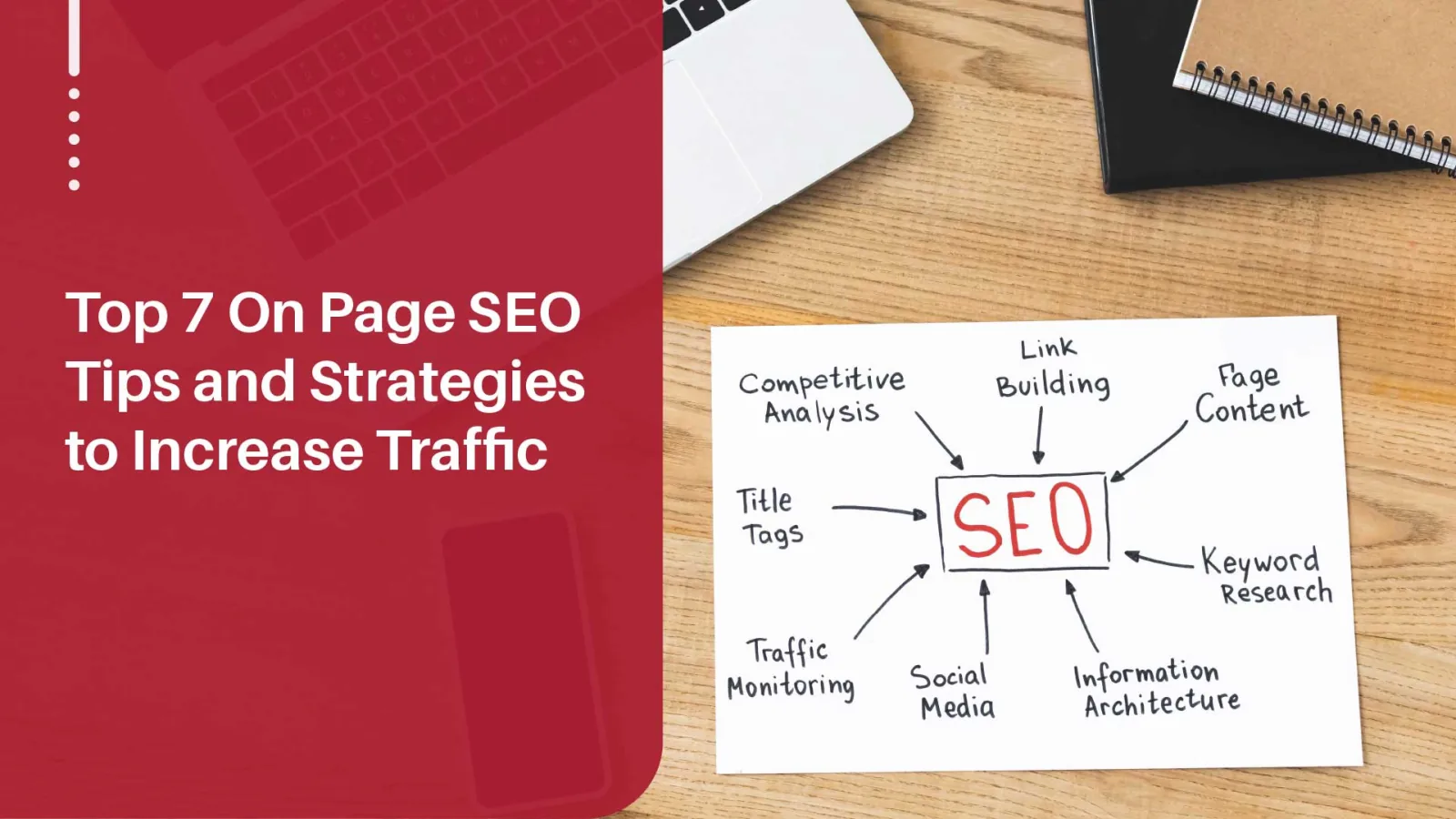
On-page SEO is one of the most important ranking factors in Google's algorithm. Knowing how to optimize your content and considering a few factors before posting can save you a lot of time, frustration, and money. On-page SEO is the practice of optimizing your content on a website. Optimizing your content includes many factors. Today, we will discuss the top on page SEO tips you need to know to properly optimize your site and improve search visibility.
Written By: Chad J. Treadway | October 02, 2023
Chad is our Chief Smarketing Officer. He will help you survey your small business needs, educating you on your options before suggesting any solution. Chad is passionate about rural marketing in the United States and North Carolina. He also has several certifications through HubSpot to better assist you with your internet and inbound marketing.