Are you tired of seeing your pest control company struggle to attract new customers and generate leads online? Do you feel like your website is lost in the vast sea of search results, failing to capture the attention of potential customers? If you’re nodding your yes head in frustration, you’re not alone. Many pest control companies face similar challenges when it comes to digital marketing.
In today’s digital age, online digital marketing has emerged as a powerful tool for pest control companies to expand their reach, connect with property owners, and drive growth. This dynamic field encompasses a variety of strategies and techniques designed to enhance brand visibility, engage target audiences, and generate meaningful results. From content marketing to search engine optimization (SEO), social media marketing (SMM), and more, pest control companies have a plethora of tools at their disposal to navigate the digital landscape successfully.
This blog post aims to delve into the process and strategies of online digital marketing while shedding light on its positive aspects and potential considerations. We will explore key elements such as content marketing, SEO, pay-per-click advertising (PPC), search engine marketing (SEM), social media marketing (SMM), email marketing, affiliate marketing, mobile marketing, and influencer marketing. Additionally, we will discuss the positive aspects that make digital marketing an attractive avenue for pest control companies, including wide reach, targeted advertising, cost-effectiveness, measurable results, enhanced customer engagement, flexibility, brand building, and diverse marketing options.
While digital marketing offers numerous advantages, it is crucial to acknowledge the potential negative aspects. Pest control companies must effectively navigate privacy concerns, ad blindness, information overload, increased competition, technical challenges, and negative feedback.
By understanding the strategies, positive aspects, and considerations of online digital marketing, pest control companies can leverage the power of digital channels to grow their brand, connect with customers, and achieve their business goals. Let’s embark on this journey into online digital marketing and unlock its potential for your pest control company.

Written By: Chad J. Treadway | May 15, 2024
Chad is our Chief Smarketing Officer. He will help you survey your small business needs, educating you on your options before suggesting any solution. Chad is passionate about rural marketing in the United States and North Carolina. He also has several certifications through HubSpot to better assist you with your internet and inbound marketing.
In today's digital age, a well-designed website is a crucial tool for K-12 private schools looking to attract prospective families, engage current students and parents, and build a strong brand reputation. Your school's website serves as the virtual front door, offering visitors a glimpse into your institution's unique value proposition, academic programs, and community culture.
This ultimate guide is designed to help you create a compelling and effective online presence that drives enrollment, fosters engagement, and positions your school for long-term success. We'll cover essential topics such as:
- Understanding your target audience and creating user personas
- Defining your school's brand identity and messaging
- Key components of an effective K-12 school website
- Best practices for user experience (UX) and user interface (UI) design
- Ensuring website security and protecting sensitive data
- Strategies for driving traffic, engagement, and conversions
- Measuring success and continuously improving your website
By the end of this guide, you'll have a comprehensive understanding of how to build a website that not only looks great but also effectively communicates your school's unique value proposition and drives meaningful results. Whether you're revamping an existing website or starting from scratch, this guide will provide you with the insights and actionable strategies needed to create a thriving online presence for your K-12 private school.

Written By: Adam Bennett | May 15, 2024
Adam is the president and founder of Cube Creative Design and specializes in private school marketing. Since starting the business in 2005, he has created individual relationships with clients in Western North Carolina and across the United States. He places great value on the needs, expectations, and goals of the client.
As a small service area business, you may not know that over 7 out of 10 users never scroll past the first page of search results. While it's easy to focus on optimizing your content, title tags, and meta descriptions, page URLs are often overlooked when it comes to search engine optimization (SEO) and local SEO. In this post, we'll explore the basics of URL optimization and provide actionable tips to help your small service area business improve its online visibility and attract more local consumers.
Written By: Chad J. Treadway | May 15, 2024
Chad is our Chief Smarketing Officer. He will help you survey your small business needs, educating you on your options before suggesting any solution. Chad is passionate about rural marketing in the United States and North Carolina. He also has several certifications through HubSpot to better assist you with your internet and inbound marketing.
In the highly competitive world of pest control, your small businesses may struggle to make your mark in the vast digital landscape. Obviously, visibility is the lifeblood of your business, and in today's digital age, search engine rankings largely dictate visibility. The truth is, no matter how compelling your pest control solutions may be, if your website is buried deep in the search results, your business might as well be invisible. This is where search engine marketing (SEM) comes in as the exterminator's exterminator—a strategic tool that can root out the problem of invisibility and place your pest control company in the spotlight where it belongs.
In this comprehensive guide, we'll dive deep into the world of SEM and explore how it can revolutionize your pest control business. From understanding the basics to implementing advanced tactics, we'll provide you with actionable insights and real-world examples to help you dominate your local market and achieve online success.
Written By: Chad J. Treadway | May 13, 2024
Chad is our Chief Smarketing Officer. He will help you survey your small business needs, educating you on your options before suggesting any solution. Chad is passionate about rural marketing in the United States and North Carolina. He also has several certifications through HubSpot to better assist you with your internet and inbound marketing.
Imagine this: Your private school’s enrollment is declining, and you’re struggling to attract new students. You’re not alone. According to the National Center for Education Statistics, the overall number of K-12 private schools decreased by 3 percent between the 2019-20 and 2021-22 school years. How can you navigate these challenges and boost your enrollment? In this comprehensive guide, we’ll explore the intricate landscape of enrollment marketing for private schools like yours, offering both technical insights and practical strategies to help you effectively tackle these challenges.
Written By: Adam Bennett | May 13, 2024
Adam is the president and founder of Cube Creative Design and specializes in private school marketing. Since starting the business in 2005, he has created individual relationships with clients in Western North Carolina and across the United States. He places great value on the needs, expectations, and goals of the client.
Running a top-notch marketing and admissions program for a private K-12 school requires juggling many tasks like creating content, managing social media, analyzing data, and streamlining administrative work. Leveraging the latest AI tools can lighten this workload tremendously while boosting your productivity and results. Here are some powerful AI solutions no private school marketer or admissions team should be without:
Written By: Adam Bennett | May 13, 2024
Adam is the president and founder of Cube Creative Design and specializes in private school marketing. Since starting the business in 2005, he has created individual relationships with clients in Western North Carolina and across the United States. He places great value on the needs, expectations, and goals of the client.

Are you struggling to fill seats in your private school classrooms? Do you feel like your marketing efforts are falling flat in the face of increasing competition and changing parent expectations? You're not alone. Many private schools are grappling with the challenge of attracting and enrolling the right students in today's digital-first landscape.
The good news is that online digital marketing has emerged as a powerful tool for private schools to expand their reach, connect with prospective students and their families, and drive enrollment growth. Digital marketing encompasses a variety of strategies and techniques designed to enhance your brand visibility, engage your target audiences, and generate meaningful results. From content marketing to search engine optimization (SEO), social media marketing (SMM), and more, your private school has a plethora of tools at its disposal to navigate the digital landscape successfully.
Written By: Adam Bennett | May 08, 2024
Adam is the president and founder of Cube Creative Design and specializes in private school marketing. Since starting the business in 2005, he has created individual relationships with clients in Western North Carolina and across the United States. He places great value on the needs, expectations, and goals of the client.
Imagine this: You’re Eden, the owner of Green Pest Elimination, a respected pest control company based in Asheville, NC, known for its eco-friendly approach and excellent customer service. You’ve spent months perfecting your website, showcasing your company’s unique offerings, and encouraging potential customers to choose your services. But there’s a problem: your website is painfully slow.
You’ve noticed visitors leaving your site before exploring all the fantastic content you’ve created. You’re worried your slow website is hurting your customer acquisition and damaging your company’s reputation. You’re not alone. In today’s fast-paced digital world, website speed matters more than ever.
As a pest control company owner or marketer, you know that your website is often the first point of contact for potential customers. Ensuring that your website looks great and loads quickly and smoothly is crucial. This is where page speed comes into play.
Page speed refers to the time it takes for a web page to load completely. It encompasses various factors, such as server response time, image optimization, and code efficiency. A fast-loading website provides a better user experience and significantly impacts your search engine rankings and overall online visibility.
Now, imagine a homeowner dealing with a pest infestation. They come across your website, eager to learn more about your services and solutions. However, if your site takes too long to load, they may become frustrated and leave before even exploring your content. On the other hand, a website that loads quickly and efficiently will keep visitors engaged and encourage them to discover what makes your pest control company unique.
In this post, I will explain why page speed matters, who needs to pay attention to it, and how you can improve your website’s performance to attract and retain more potential customers. Whether you’re a beginner looking to understand the basics or an experienced marketer seeking advanced techniques, this post has something for you. So, let’s get started on this journey to create a lightning-fast website that leaves a lasting impression on your potential customers!
Written By: Chad J. Treadway | May 08, 2024
Chad is our Chief Smarketing Officer. He will help you survey your small business needs, educating you on your options before suggesting any solution. Chad is passionate about rural marketing in the United States and North Carolina. He also has several certifications through HubSpot to better assist you with your internet and inbound marketing.
Are you a pest control company owner or marketer? If so, you know how crucial it is to have a strong online presence. And one critical factor in optimizing your website is its URL structure. In this guide, we’ll explore the best practices for crafting effective URLs tailored to the needs of pest control websites.
Are you losing potential customers because of poorly optimized URLs? In the competitive world of pest control, a well-structured website is essential for attracting and retaining clients – and it all starts with your URLs.
Written By: Chad J. Treadway | May 06, 2024
Chad is our Chief Smarketing Officer. He will help you survey your small business needs, educating you on your options before suggesting any solution. Chad is passionate about rural marketing in the United States and North Carolina. He also has several certifications through HubSpot to better assist you with your internet and inbound marketing.
Search Engine Optimization, or SEO, might sound like a buzzword or technical jargon, but in today’s digital age, it’s a powerful tool that can propel your private school to new heights. Understanding and implementing SEO strategies can significantly improve your online visibility and attract more prospective students and their families.
Written By: Adam Bennett | May 06, 2024
Adam is the president and founder of Cube Creative Design and specializes in private school marketing. Since starting the business in 2005, he has created individual relationships with clients in Western North Carolina and across the United States. He places great value on the needs, expectations, and goals of the client.
Imagine this: You're the admissions director at Greenfield Academy, a prestigious private school known for its innovative curriculum and state-of-the-art facilities. You've spent months perfecting your website, showcasing your school's unique offerings, and encouraging prospective families to apply. But there's a problem: your website is painfully slow.
You've noticed visitors leaving your site before exploring all the fantastic content you've created. You're worried your slow website is hurting your admissions numbers and damaging your school's reputation. You're not alone. In today's fast-paced digital world, website speed matters more than ever
As a private school decision-maker or marketer, you know that your website is often the first point of contact for prospective families. Ensuring that your website looks great and loads quickly and smoothly is crucial. This is where page speed comes into play.
Page speed refers to the time it takes for a web page to load completely. It encompasses various factors, such as server response time, image optimization, and code efficiency. A fast-loading website provides a better user experience and significantly impacts your search engine rankings and overall online visibility.
Now imagine a parent researching private schools for their child. They come across your website, eager to learn more about your programs and facilities. However, if your site takes too long to load, they may become frustrated and leave before even exploring your content. On the other hand, a website that loads quickly and efficiently will keep visitors engaged and encourage them to discover what makes your school unique.
In this post, I will explain why page speed matters, who needs to pay attention to it, and how you can improve your website's performance to attract and retain more prospective families. Whether you're a beginner looking to understand the basics or an experienced marketer seeking advanced techniques, this post has something for you. So, let's get started on this journey to create a lightning-fast website that leaves a lasting impression on your prospective parents and students!
Written By: Adam Bennett | May 01, 2024
Adam is the president and founder of Cube Creative Design and specializes in private school marketing. Since starting the business in 2005, he has created individual relationships with clients in Western North Carolina and across the United States. He places great value on the needs, expectations, and goals of the client.
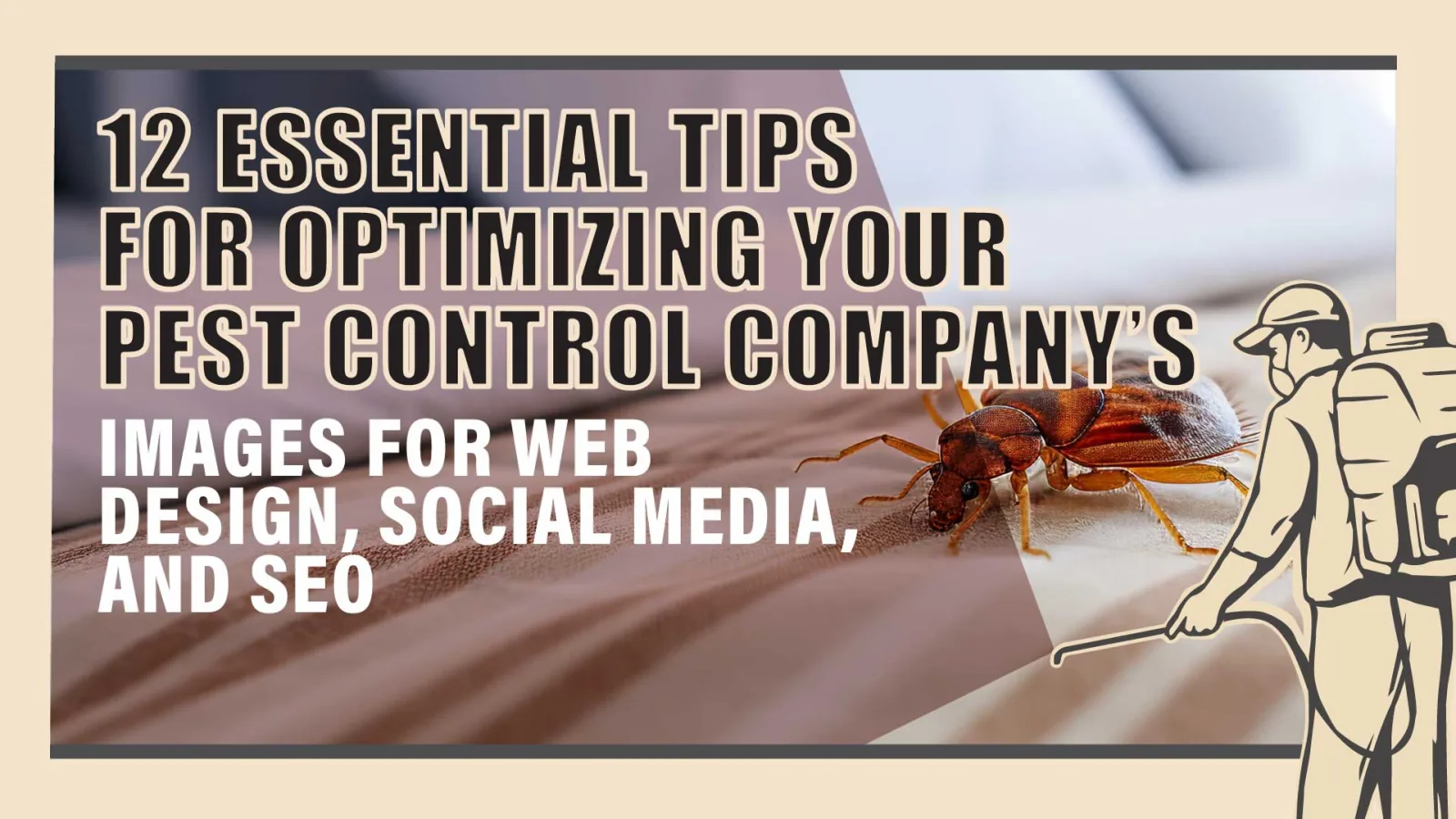
As a pest control company owner or marketer, you know the importance of including relevant, high-quality photos on your blog articles, website, and social media posts. Photographs, illustrations, and other visuals can only enhance the appeal of your content.
Regarding content on the web, the general rule is that you should always include at least one image with each post. If your post is longer, you may want to have several.
Images and graphics are not only aesthetically appealing, but they also make your text more interesting to read. They can also assist you with search engine optimization (SEO).
Regarding image optimization for the web, there are three approaches to consider:
- Make your images look good.
- Make your images load quickly.
- Make your images easy for search engines to index.
Most articles on the subject focus on one of these elements or another; however, I will discuss all three in this post.
Written By: Chad J. Treadway | May 01, 2024
Chad is our Chief Smarketing Officer. He will help you survey your small business needs, educating you on your options before suggesting any solution. Chad is passionate about rural marketing in the United States and North Carolina. He also has several certifications through HubSpot to better assist you with your internet and inbound marketing.