You just finished a great job. The customer is happy, you shake hands, and they promise to leave a review. Three weeks later? Nothing. They forgot your business name, can't find your Facebook page, and you've lost a golden opportunity to turn one satisfied customer into dozens of new leads.
Here's the reality: Your best marketing asset isn't your truck wrap or your business cards. It's the physical moment when a customer is standing right in front of you, already impressed with your work. And if you're not capturing that moment and turning it into a digital connection, you're leaving serious money on the table.
Facebook isn't just another social platform. While competitors specialize—Instagram for photos, TikTok for short videos, LinkedIn for professional networking—Facebook remains the all-in-one hub where you can showcase your work, share customer testimonials, run ads, manage groups, sell services, and answer questions. For home service businesses, that versatility translates to one place where your entire customer journey can unfold.
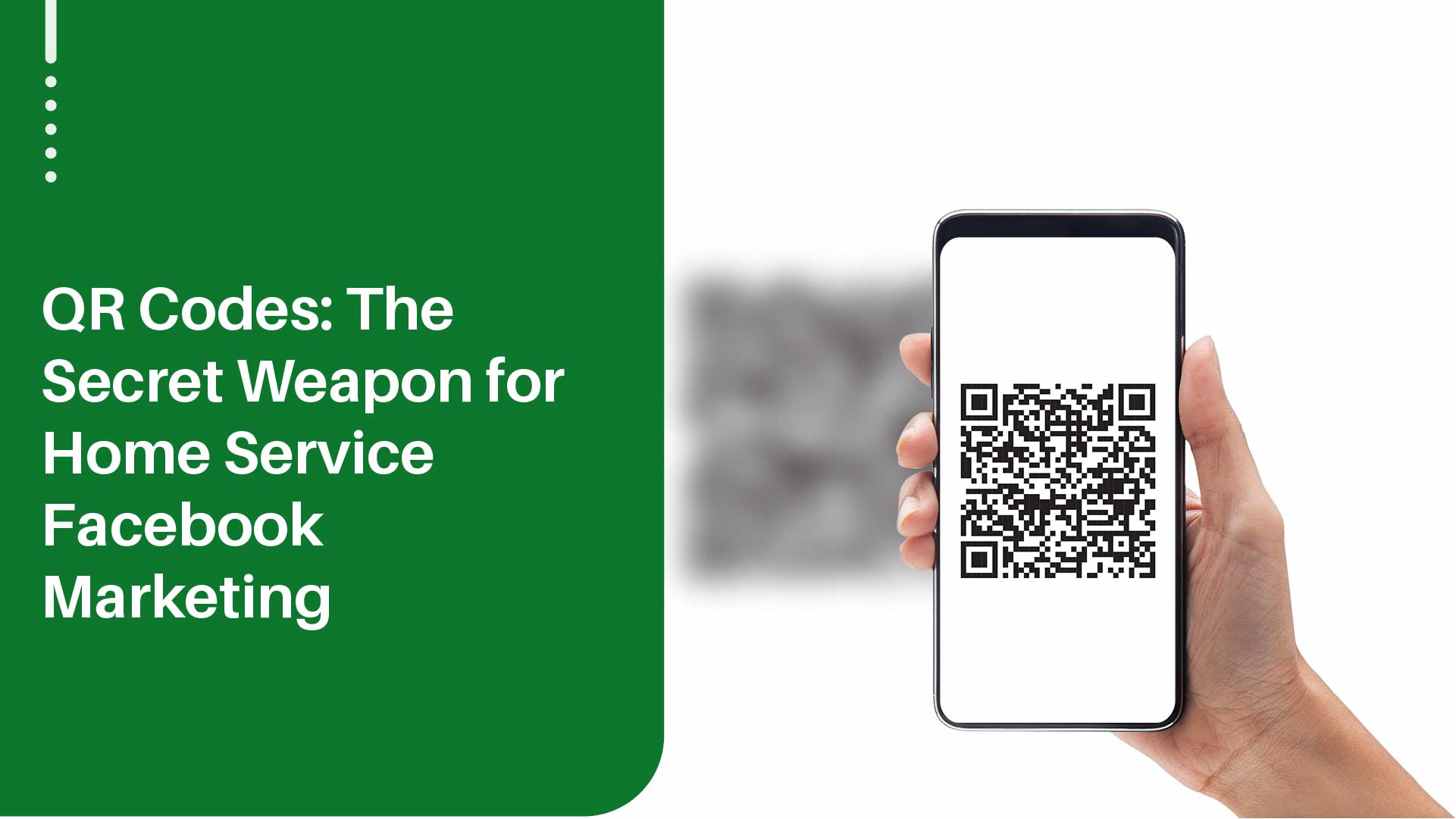
QR codes aren't just some trendy tech gimmick. They're the bridge between your physical presence and your digital community. And the numbers back it up: QR code usage has exploded by 323% from 2021 to 2024. The United States now accounts for 43.9% of all QR code scans worldwide in 2023.
Traditional advertising is a monologue—you broadcast your message and hope someone's listening. QR codes transform that monologue into a conversation. When someone scans your code, they're not just receiving information; they're actively choosing to engage with your brand. That shift from one-way communication to two-way interaction fundamentally changes the relationship dynamic and dramatically increases the likelihood of conversion.
This isn't about keeping up with technology. It's about capturing every opportunity to grow your Facebook following, build a retargetable audience, and actually measure which marketing channels are working. Let's break down exactly how to make this happen.

Written By: Hannah Kilpatrick | December 15, 2025
Hannah Kilpatrick Cube Creative DesignHannah Kilpatrick graduated from Western Carolina University in 2021 with a Bachelor of Science in Communication with a Minor in Marketing and a Concentration in Public Relations. She has been around social media since its creation. (Meaning, she was in the first grade when Facebook became available to the general public.) As our very own professional Gen-Z, Hannah is a whiz when it comes to social media creation and paid advertising.
December board meeting. The Head of School leans forward and asks, "What's our marketing strategy for next year?"
You have scattered ideas. Last year's plan with updated dates. A vague sense of what worked and what flopped. What you don't have is a comprehensive, board-ready marketing plan that connects every tactic to enrollment goals, justifies every dollar spent, and positions your school to win in an increasingly competitive enrollment environment.
Most private schools operate reactively—responding to needs as they arise rather than executing a proactive strategy. Marketing "plans" are often just tactical calendars: post on Instagram three times per week, send a monthly newsletter, run an open house in October. These are activities, not strategy. According to NAIS research, the top two marketing goals are "growing enrollment" and "building or strengthening the school's brand," yet many schools lack the strategic framework to connect daily activities to these outcomes. Meanwhile, boards increasingly demand ROI justification for marketing investments, especially as the enrollment cliff looms large on the horizon.
The enrollment cliff—a demographic decline spanning 2025 to 2037—isn't a distant threat anymore. Nathan D. Grawe, a leading economist on demographic trends, projects that the number of traditional college-age students will decline by approximately 15% between 2025 and 2029 due to lower birth rates following the 2008 recession. This contraction is already present in the K-12 pipeline. The National Center for Education Statistics projects continuing enrollment changes through 2026, with varying trends across regions and demographics.

Written By: Adam Bennett | December 15, 2025
Adam is the president and founder of Cube Creative Design and specializes in private school marketing. Since starting the business in 2005, he has created individual relationships with clients in Western North Carolina and across the United States. He places great value on the needs, expectations, and goals of the client.
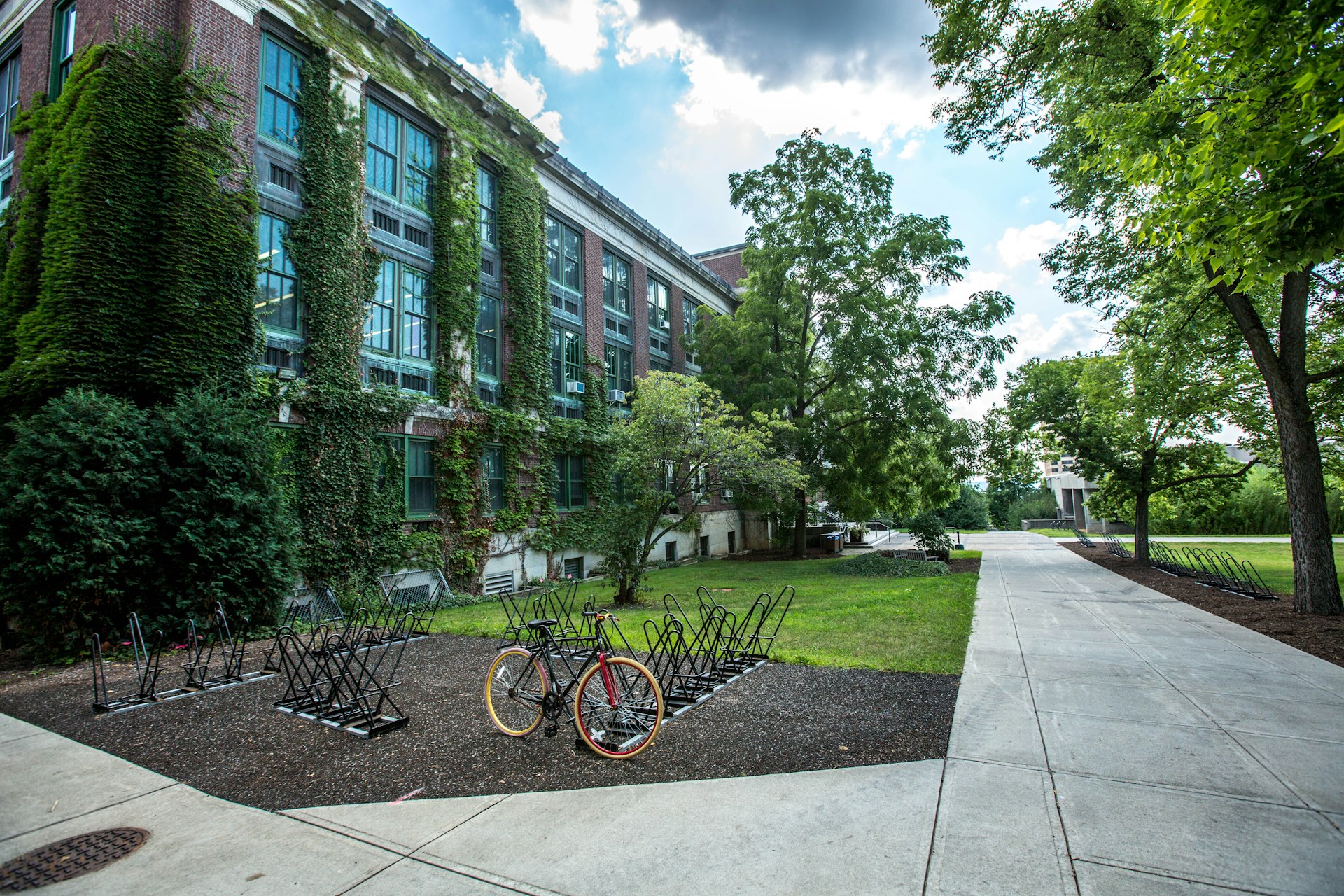
First impressions shape the entire enrollment journey. Parents often decide within seconds whether a campus feels trustworthy, safe, and aligned with their expectations. Exterior design can support that choice long before they meet admissions staff.
When a school leverages thoughtful landscaping, inviting colors, and intentional architectural cues, its online presence becomes stronger too. Hero images look more compelling. Virtual tours feel more credible, and inquiry rates can rise. That’s because families sense care, pride, and consistency.
This article explores why exterior design plays such a big role in modern enrollment marketing, along with practical upgrades that photograph beautifully and require little upkeep.

A good-looking website is nice. A high-converting website makes you money.
Have you ever wondered if design actually affects your bottom line? The connection between web design and revenue can seem abstract until you start tracking what visitors actually do on your site.
Here's what matters: Thoughtful design doesn't just make things prettier; It gets people to buy, sign up, then come back.
This page tackles what you need to know about web design's return on investment (ROI). Whether you run a K-12 private school or offer a pest control service, find out how this could impact your revenue. More importantly, learn how to calculate and demonstrate ROI for your small business.
Read on.