In today's digital-first education landscape, online events have become essential tools in a private school's marketing arsenal. From virtual open houses to webinars with faculty, these events serve as critical touchpoints in your enrollment funnel. But here's the uncomfortable truth many admission directors don't want to hear: hosting an amazing event means absolutely nothing if nobody shows up.
The stakes are particularly high for private schools, where competition for students continues to intensify. With over 30,000 private schools in the United States enrolling approximately 4.7 million students, standing out requires innovative and strategic marketing efforts. (Source: National Center for Education Statistics [NCES]) Your brilliantly planned virtual event needs equally brilliant promotion to capture attention in an increasingly crowded digital space.
This guide will walk you through developing a comprehensive online event promotion strategy that drives registrations, increases attendance, and ultimately supports your enrollment goals. Because let's face it—empty Zoom rooms are just sad, and nobody has time to create remarkable content that goes unwatched.

Written By: Adam Bennett | June 13, 2025
Adam is the president and founder of Cube Creative Design and specializes in private school marketing. Since starting the business in 2005, he has created individual relationships with clients in Western North Carolina and across the United States. He places great value on the needs, expectations, and goals of the client.

Website UX design directly influences web visitors' on-site behavior. It affects bounce rates, time on page, conversion rates, average order value, and even customer loyalty.
Yet, the thing is that targeting specialized niches often involves specific UX challenges. Unlike run-of-the-mill e-commerce and content pages, niche websites require you to go above and beyond in explaining the value of your offer. Plus, it's often crucial that you present your prospects with an enjoyable (and sales-inspiring) browsing experience, especially if your sales cycle runs long.
Fortunately, there are several UX design strategies you can employ to overcome these common UX challenges.
So, if you're looking to design a standout website UX for specialized niches, here's how to do it, along with a few great examples you can take inspiration from.

Let's face it—your brand is like that high school yearbook photo. Once cool and cutting-edge, now it's making potential customers cringe. Your brand is the face of your business, representing who you are and how people perceive you. But just like that regrettable haircut from 2005, brands can become outdated or lose their appeal faster than you can say "rebrand." The solution? A strategic brand refresh! It's time to revitalize your image to energize both your loyal customers and those newcomers who've been eyeing you from across the marketplace. "Nearly 77% of B2B marketers say branding is crucial for growth," said Circle S Studio in their recent industry report. In this article you will learn how you can upgrade your business and drive growth without having to start from scratch.
Written By: Adam Bennett | June 11, 2025
Adam is the president and founder of Cube Creative Design and specializes in private school marketing. Since starting the business in 2005, he has created individual relationships with clients in Western North Carolina and across the United States. He places great value on the needs, expectations, and goals of the client.

Let's face it—running a pest control business means you're constantly on the move, eradicating unwanted visitors from homes and businesses alike. But while you're busy battling bugs, your marketing efforts might be quietly under-performing, and that's a problem that can really bite into your bottom line.
Mid-year is the perfect time to step back and evaluate your marketing strategy. Think of it as giving your marketing plan a thorough inspection, just like you would when checking a home for termite damage. Catching issues halfway through the year gives you plenty of time to make adjustments before your annual targets scurry away from reach.
"The pest control industry continues to grow, with the market projected to reach $32.8 billion by 2028 from an estimated $24.9 billion in 2023, representing a CAGR of 5.7%." (Source: MarketsandMarkets) To capitalize on this growth, pest control companies need to ensure their marketing efforts are effectively targeted and producing measurable returns.
In this guide, we'll walk through the five essential components of a mid-year marketing assessment:
- KPI review: Are you tracking the right metrics?
- Goal assessment: Are your objectives still realistic and relevant?
- Budget evaluation: Are you allocating resources effectively?
- Campaign performance: What's working and what's failing to catch customers?
- Adjustment strategies: How to recalibrate for maximum impact
Let's exterminate those marketing inefficiencies and ensure your business thrives for the remainder of the year.

Written By: Chad J. Treadway | June 11, 2025
Chad is our Chief Smarketing Officer. He will help you survey your small business needs, educating you on your options before suggesting any solution. Chad is passionate about rural marketing in the United States and North Carolina. He also has several certifications through HubSpot to better assist you with your internet and inbound marketing.
The summer months present a unique opportunity for private school marketing directors. While the hallways may be quiet, it's the perfect time to develop a comprehensive content strategy that will carry your institution through the entire academic year. Many marketing professionals find themselves frantically creating content as deadlines approach during the busy school year, resulting in inconsistent messaging and missed opportunities.
Research shows that a strategic approach to content planning is key for schools seeking to define their brand position and shape their own narrative. Planning your school content calendar during the summer allows you to align your marketing efforts with the natural rhythm of the academic year, anticipate key events, and maintain a consistent voice across all your communications.
According to a National Association of Independent Schools (NAIS) survey, around 5 out of 10 schools rated their digital marketing performance as "somewhat effective," while nearly 4 out of 10 considered it "very effective." Schools whose leadership viewed digital marketing as highly important were significantly more likely to report effective marketing performance.
In this guide, we'll explore why summer is the ideal planning period for your private school's content strategy, outline the essential elements of an effective content calendar, and provide a downloadable template that will help you organize your entire year's worth of content. With proper planning, you'll transform your school's marketing from reactive to strategic, saving time, reducing stress, and improving results.
Written By: Adam Bennett | June 11, 2025
Adam is the president and founder of Cube Creative Design and specializes in private school marketing. Since starting the business in 2005, he has created individual relationships with clients in Western North Carolina and across the United States. He places great value on the needs, expectations, and goals of the client.

Let's face it – in today's digital-first world, your school's website isn't just a digital brochure; it's your hardest-working admissions officer. According to a study by Stanford University, 94% of first impressions are design-related. This means that before parents even read about your stellar curriculum or award-winning faculty, they've already formed a significant opinion about your institution.
The stakes couldn't be higher. The average private school website conversion rate sits below a dismal 2%, yet schools that optimize their websites for conversions have increased their rates to over 5%. That's not just a statistical footnote—it's the difference between thriving enrollment and empty desks.
In this comprehensive guide, we'll explore the website elements that transform curious parent visitors into committed applicants. From psychology-backed design principles to strategic content placement, we'll unpack the conversion elements that make parents think, "This is where my child belongs." And I promise not to bore you with technical jargon or vague platitudes—just actionable insights you can implement immediately.
Because in the competitive landscape of private education, your website isn't just informing parents—it's persuading them. Let's make sure it's doing that job effectively.
Written By: Adam Bennett | June 09, 2025
Adam is the president and founder of Cube Creative Design and specializes in private school marketing. Since starting the business in 2005, he has created individual relationships with clients in Western North Carolina and across the United States. He places great value on the needs, expectations, and goals of the client.
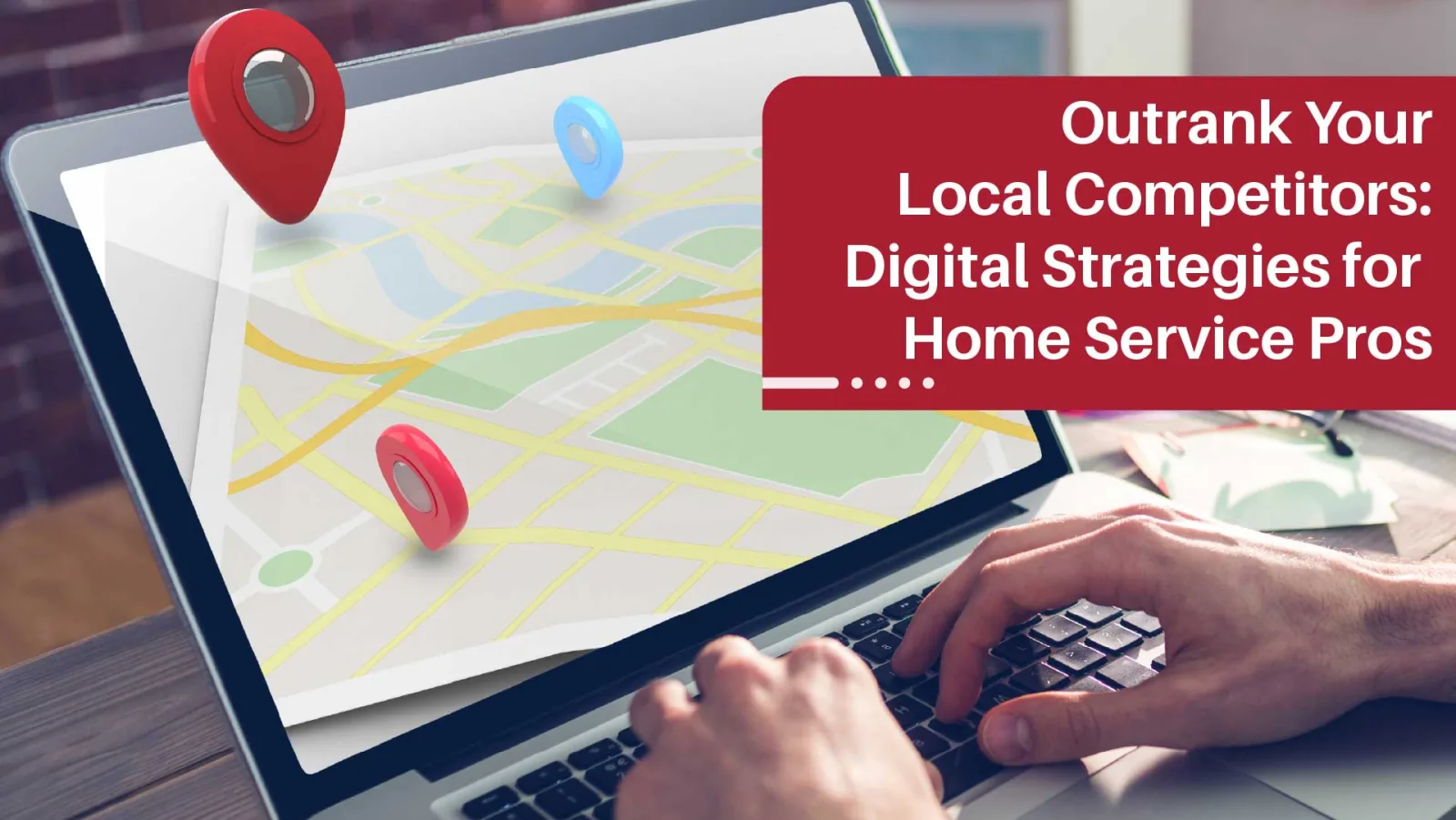
In today's digital-first world, home service businesses face unique challenges when establishing their online presence. Whether you're a plumber, electrician, landscaper, or HVAC specialist, your customers are searching for you online before they ever pick up the phone. In 2025, investing in digital tools isn't just recommended—it's essential for survival and growth.
The days of relying solely on word-of-mouth referrals and Yellow Pages ads are firmly behind us. Today's homeowners expect to find your services online, read your reviews, and potentially even book appointments without ever speaking to a human. They want you to meet them where they are, not the other way around.
To navigate this digital landscape successfully, home service businesses need to develop strong web-based strategies and partner with experienced professionals who stay current with the latest developments. In this article, we'll explore key web-based projects every home service business should invest in and the expertise they need to maximize return on investment (ROI).
Written By: Chad J. Treadway | June 09, 2025
Chad is our Chief Smarketing Officer. He will help you survey your small business needs, educating you on your options before suggesting any solution. Chad is passionate about rural marketing in the United States and North Carolina. He also has several certifications through HubSpot to better assist you with your internet and inbound marketing.
Running a pest control business can feel like a never-ending game of whack-a-mole—following up with customers, managing billing, and still finding time to tackle the pests themselves. With the right customer relationship management (CRM) platform for your pest control business, you can change the way you manage customer interactions. When customer information is at your fingertips with automated processes and seamless communication, you can focus on what you do best—eliminating pests.
The pest control industry is booming! Industry revenue has grown at a CAGR of 3.3% over the past five years, reaching an estimated $24.2 billion in 2024. (Source: IBISWorld) To capture your share of this market, you need technology that helps you stand out from competitors while making your day-to-day operations smoother.
In this guide, we'll explore how to select the perfect CRM for your pest control business, with special attention to using HubSpot to enhance your marketing efforts and customer relationships. Let's exterminate those operational inefficiencies once and for all!
Written By: Chad J. Treadway | June 09, 2025
Chad is our Chief Smarketing Officer. He will help you survey your small business needs, educating you on your options before suggesting any solution. Chad is passionate about rural marketing in the United States and North Carolina. He also has several certifications through HubSpot to better assist you with your internet and inbound marketing.
Lifecycle marketing is an essential strategy for businesses to nurture relationships with customers, increase their lifetime value, and enhance engagement. This article presents the top 10 lifecycle marketing agencies in the USA for 2025, detailing their services, technological expertise, and why they are regarded as leaders in the field.

No beating around the bush—here it goes. Figuratively speaking, short-form content is a sprint, whereas long-form content is a marathon. The former wins people’s hearts before they can count to one (well, okay, to 30 in videos). The latter requires patience. Yet, once you cross that much-awaited finish line, the loyal crowd applauds and takes you up into the air.
But when should you schedule sprints, and what’s the golden hour for marathons in your content calendar? That is, which format is better: short-form vs. long-form content?
Let’s break it down and then explore the most suitable content marketing strategies for each separately. As a bonus, we’ll drop several winning tactics for both. Prepare for a far-off reading trip in this article, but it’ll be worth it in the long run (and we’ll make it pun-tastic).
Let's face it - in today's digital-first world, if prospective families can't find you online, you might as well be invisible. And no, that dusty photo gallery from 2018 isn't cutting it anymore.
According to recent research by International School Parent, 70% of parents say they would use virtual tours to research schools, with 60% considering virtual tours as a viable alternative to in-person visits. More tellingly, schools that implemented professional virtual tours saw a 20% increase in website traffic and a 10% increase in inquiries.
The virtual tour landscape has transformed dramatically, with the global virtual tour market expected to grow from $1,219.1 million in 2023 to approximately $15,923.0 million by 2034, with a remarkable CAGR of 29.3% during the forecast period from 2025 to 2034. (Source: Market.us) While virtual college tours have increased by 258%, K-12 private schools are now following this trend with their own implementations.
In this guide, we'll walk through everything your K-12 private school needs to know about creating virtual tours that don't just showcase your campus but actively convert interested prospects into enrolled students. From the technical nuts and bolts to implementation strategies and ROI measurement, consider this your comprehensive roadmap.
Written By: Adam Bennett | June 06, 2025
Adam is the president and founder of Cube Creative Design and specializes in private school marketing. Since starting the business in 2005, he has created individual relationships with clients in Western North Carolina and across the United States. He places great value on the needs, expectations, and goals of the client.
Let's face it—if the pandemic taught us anything, it's that adaptation isn't just helpful, it's essential. And while we all initially groaned at the thought of another Zoom meeting, hybrid events have evolved from a necessary evil to a powerful opportunity for private schools to expand their reach, enhance parent engagement, and showcase their technological prowess.
The data speaks for itself: recent polling reveals that 72% of parents are considering new school options, with 49% preferring their child learn at home at least one day a week. For K-12 private schools, this shift in parent expectations extends beyond just classroom learning to school events and activities. Parents now expect the flexibility and accessibility of hybrid options for everything from parent-teacher conferences to school performances.
The transition to hybrid events isn't just about keeping up with the times—it's about leveraging a powerful tool to differentiate your school in an increasingly competitive educational marketplace. When done right, hybrid events can:
- Increase attendance and participation from busy parents who might otherwise miss out
- Create meaningful engagement opportunities for distant family members (grandparents, etc.)
- Showcase your school's commitment to innovative educational approaches
- Build a stronger, more connected school community across physical boundaries
- Provide valuable content that can be repurposed for marketing and recruitment
But let's be honest—many schools rushed into hybrid events without proper planning during the pandemic, resulting in awkward experiences that felt like poor substitutes for in-person gatherings. The good news? We've learned a lot since those early days, and this guide will help you create hybrid events that aren't just adequate alternatives but genuinely enhanced experiences for everyone involved.
Written By: Adam Bennett | June 06, 2025
Adam is the president and founder of Cube Creative Design and specializes in private school marketing. Since starting the business in 2005, he has created individual relationships with clients in Western North Carolina and across the United States. He places great value on the needs, expectations, and goals of the client.