
The digital landscape for pest control businesses is crawling with change. While you've been busy exterminating real-world pests, the web browser ecosystem has been undergoing its own form of metamorphosis. For years, Google Chrome has dominated the market like a queen ant in a colony, but the hierarchy is shifting. Just as you wouldn't rely on a single treatment method for all pest infestations, depending solely on Chrome optimization for your online presence is becoming increasingly risky.
Today's pest control customers are as diverse as the browsers they use to find you. From homeowners frantically searching for "emergency wasp removal" on Safari to property managers methodically researching quarterly pest prevention plans on Firefox, your potential clients are scattered across the browser spectrum. And if your website isn't optimized to perform across this variety, you might as well be setting out traps with no bait.
In this comprehensive guide, we'll explore why multi-browser optimization isn't just a technical nicety—it's becoming a crucial competitive advantage for pest control businesses looking to thrive in 2025 and beyond. You're about to discover how diversifying your browser strategy can help you capture more leads, improve conversion rates, and ultimately grow your pest control empire. Let's debug your digital presence together!

Written By: Adam Bennett | April 02, 2025
Adam is the president and founder of Cube Creative Design and specializes in private school marketing. Since starting the business in 2005, he has created individual relationships with clients in Western North Carolina and across the United States. He places great value on the needs, expectations, and goals of the client.

In today's digital-first world, when was the last time you made a decision without consulting online reviews? Whether booking a hotel, choosing a restaurant, or selecting a product, reviews have become an essential part of our decision-making process. For families researching educational options, this behavior is no different—online reviews play a critical role in their school selection journey.
Written By: Adam Bennett | March 31, 2025
Adam is the president and founder of Cube Creative Design and specializes in private school marketing. Since starting the business in 2005, he has created individual relationships with clients in Western North Carolina and across the United States. He places great value on the needs, expectations, and goals of the client.
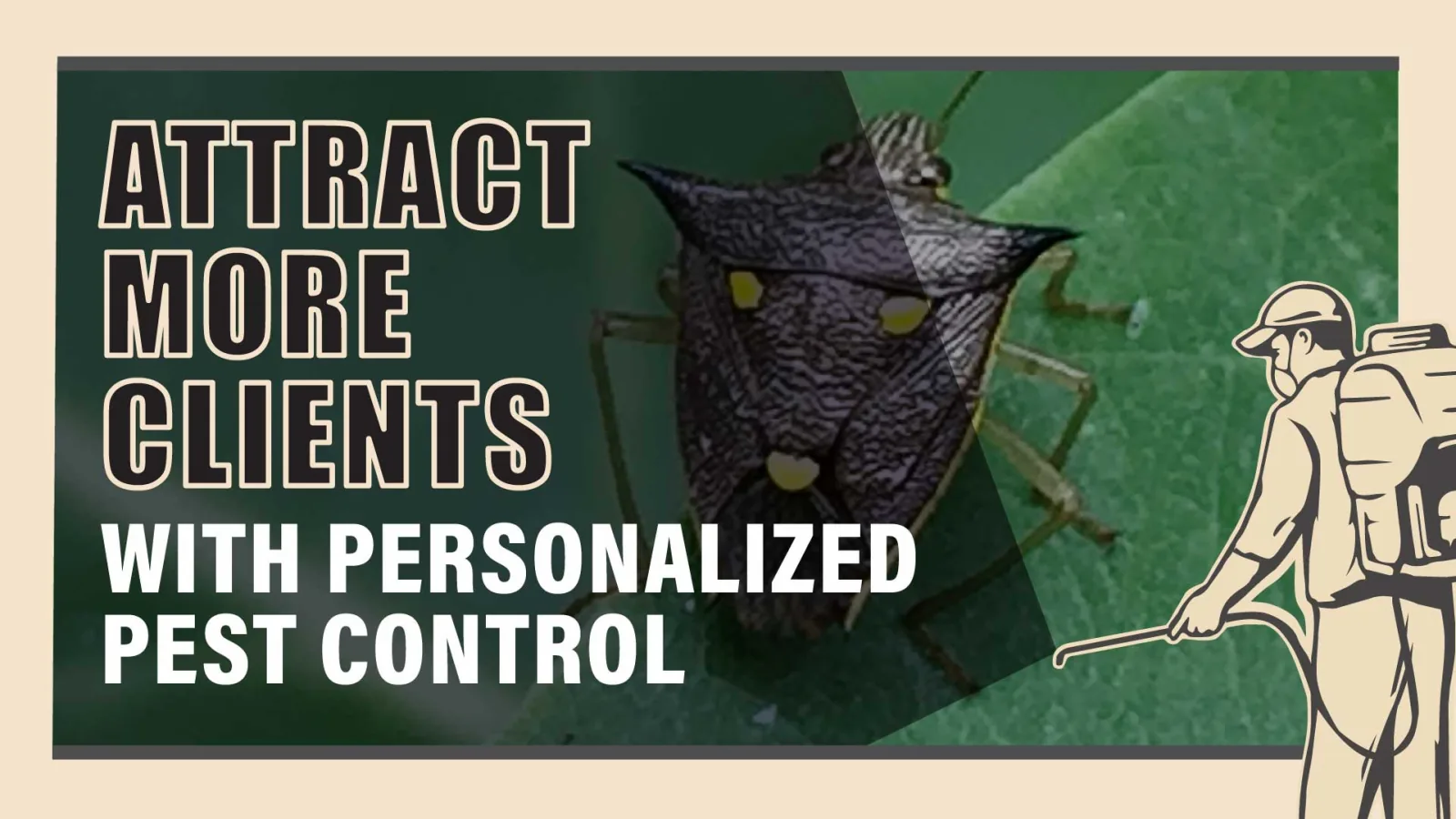
In the pest control industry, the customer isn't just king—they're the whole royal family. While you're busy evicting unwanted tenants from homes, your marketing strategy needs to be inviting the right customers into your business.
Let's face it—your potential customers aren't lying awake at night thinking about your brand. They're lying awake because they just heard something skittering across their attic floor. That's why pest control marketing that speaks directly to your customers' immediate needs is absolutely critical.
With dozens of local and national pest control companies competing for attention, generic marketing approaches just won't cut it anymore. You need a strategy as targeted as your most effective insecticide—one that zeroes in on exactly what your customers want.
In this article, you'll discover how to develop deep insights into your pest control customers and transform that knowledge into a personalized marketing strategy that makes your competition look like they're still using fly swatters while you're wielding professional-grade solutions.

Written By: Chad J. Treadway | March 31, 2025
Chad is our Chief Smarketing Officer. He will help you survey your small business needs, educating you on your options before suggesting any solution. Chad is passionate about rural marketing in the United States and North Carolina. He also has several certifications through HubSpot to better assist you with your internet and inbound marketing.
Picture this: You're scrolling through your phone after a long day of evicting unwelcome six-legged tenants from kitchens across town when you spot it – a competitor's TikTok video showing their technician heroically removing a wasp nest has 10,000 views. Meanwhile, your last Facebook post about "spring pest prevention tips" got seven likes – and three were from your mom, your aunt, and that weird guy who follows every business in town.
Sound familiar? While you've been relying on flyers, newspaper ads, and that magnetic sign on your truck to bring in business, your competitors are becoming local celebrities through video marketing. And let's be honest – in an industry where customers literally invite you into their homes to deal with creepy crawlies, establishing trust through video isn't just smart marketing; it's practically a cheat code.
In this article, I'll show you exactly why video marketing is no longer optional for pest control businesses that want to survive (let alone thrive) in today's digital landscape. You'll discover five high-impact video types specifically designed for pest control companies, learn how to implement them without breaking the bank, and see how video content can transform your business from "that bug company" to the authoritative pest solution provider in your service area.
And no, you don't need to become the next viral TikTok sensation or Hollywood director to make it work. But fair warning: once you see the results that savvy pest control companies are already getting with video marketing, you'll be kicking yourself for not starting sooner.
Written By: Adam Bennett | March 31, 2025
Adam is the president and founder of Cube Creative Design and specializes in private school marketing. Since starting the business in 2005, he has created individual relationships with clients in Western North Carolina and across the United States. He places great value on the needs, expectations, and goals of the client.
Finding unwanted six-legged roommates scurrying across the kitchen floor at midnight creates an immediate crisis for homeowners. In that panicked moment, they're not scrolling through page after page of search results—they're clicking on the first pest control companies they see.
The hard truth? If your pest control website isn't appearing on the first page of search results, you might as well be invisible. Your expertise in eradicating everything from bed bugs to rodents means nothing if potential customers can't find you when they're frantically searching "pest control near me" at 2 AM.
Pest control SEO isn't just another marketing buzzword—it's the difference between thriving and merely surviving in today's digital landscape. By strategically optimizing your website, you can crawl your way up the rankings (much like the insects you eliminate) and position your business exactly where desperate homeowners will see it first.
Higher rankings don't just mean more website visitors—they translate directly to more phone calls, more service appointments, and ultimately, more revenue for your pest control business. After all, in the pest control industry, being first in search results is almost as important as being first to respond to that midnight cockroach emergency.
Written By: Chad J. Treadway | March 31, 2025
Chad is our Chief Smarketing Officer. He will help you survey your small business needs, educating you on your options before suggesting any solution. Chad is passionate about rural marketing in the United States and North Carolina. He also has several certifications through HubSpot to better assist you with your internet and inbound marketing.

Let's face it – figuring out how much to spend on Google Ads feels about as straightforward as explaining to a customer why their water heater "just makes that noise sometimes." But here's the thing: while your expertise lies in fixing what's broken, Google's expertise lies in connecting you with the people who need that fixing done.
Digital advertising isn't just another tool in your marketing toolbox – it's the power drill of modern business growth. And when it comes to getting your services in front of local customers who are actively searching for help, Google is the name of the game.
Written By: Adam Bennett | March 31, 2025
Adam is the president and founder of Cube Creative Design and specializes in private school marketing. Since starting the business in 2005, he has created individual relationships with clients in Western North Carolina and across the United States. He places great value on the needs, expectations, and goals of the client.
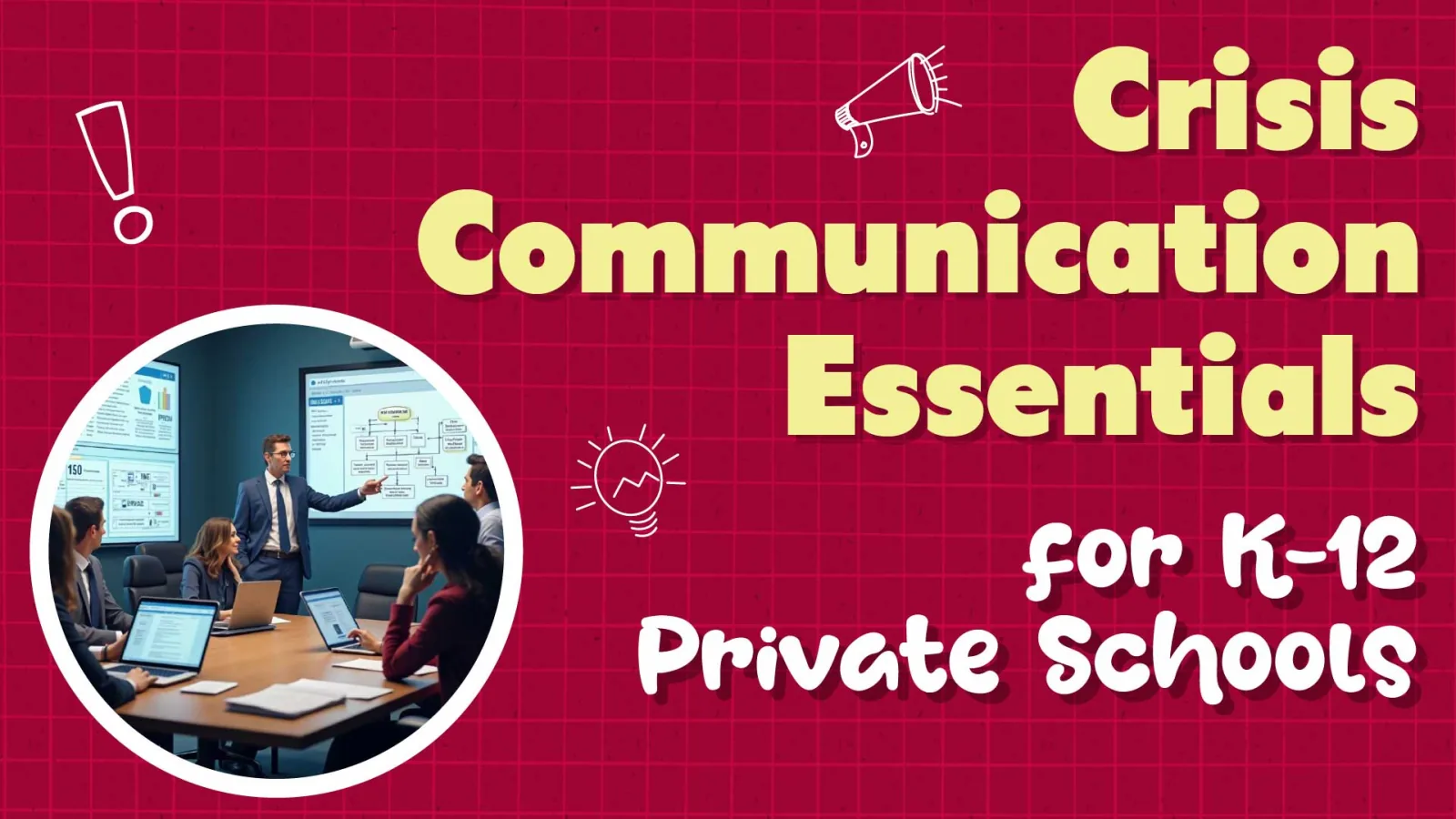
If there's one universal truth in education, it's that crises don't schedule appointments. They burst through the door unannounced, usually during board meetings or parent-teacher conferences. From weather emergencies to social media firestorms, modern private schools face an evolving landscape of potential disruptions that can damage hard-earned reputations in mere hours.
At the fictional Greenfield Academy, Director of Admissions Jordan Grayson learned this lesson during what staff now ominously refer to as "The Tuesday Incident." What began as a minor transportation mishap escalated into a full-blown communication crisis when parents, lacking official information, created their own narrative across three social platforms before the administration even drafted its first email.
"We had emergency protocols for everything from tornados to intruders," Grayson admits, "but nothing comprehensive for communicating during a reputation crisis. The Tuesday Incident taught us that most schools are prepared for physical emergencies but woefully underprepared for information emergencies."
This framework provides the structure, protocols, and templates private schools need to navigate communication crises with clarity and confidence. Whether you're revamping existing procedures or building from scratch, these systems will help protect your school's most valuable asset—its reputation.
Written By: Adam Bennett | March 27, 2025
Adam is the president and founder of Cube Creative Design and specializes in private school marketing. Since starting the business in 2005, he has created individual relationships with clients in Western North Carolina and across the United States. He places great value on the needs, expectations, and goals of the client.
Let's face it – running a pest control business is already a battle against unwanted critters. The last thing you need is to wage war against wasted advertising dollars, too. As a savvy pest control business owner, you know your marketing budget needs to work as hard as you do, strategically reaching prospective customers who are actively trying to evict their six-legged tenants. That's precisely where a Google Ads management company like Cube Creative Design enters the picture (much like you enter homes with your spray gun of justice).
We at Cube Creative Design specialize in pest control digital marketing, turning Google Ads into your virtual technician – one that works 24/7, driving leads to your business. From meticulously selecting and fine-tuning keywords to crafting high-converting ads and landing pages, we ensure your advertising dollars aren't just being sprayed around like an amateur with a fogger. Our team strategically targets relevant traffic and transforms curious searchers into loyal clients who'll call you every time they see something crawling across their kitchen floor. With our expertise managing your campaign, you can focus on what you do best – making homes uninhabitable for pests (but perfectly comfortable for humans).
Written By: Chad J. Treadway | March 26, 2025
Chad is our Chief Smarketing Officer. He will help you survey your small business needs, educating you on your options before suggesting any solution. Chad is passionate about rural marketing in the United States and North Carolina. He also has several certifications through HubSpot to better assist you with your internet and inbound marketing.
Let's face it - running PPC ads for your home service business can feel like throwing money into a black hole. You're getting billed for clicks whether someone books a service call or not, and if your ads aren't performing well, you'll watch your budget disappear faster than a plumbing emergency on a holiday weekend.
But here's the thing: profitable PPC advertising isn't rocket science. It's more like fixing a leaky faucet - you just need the right tools and know-how to get the job done. This guide will help you understand PPC ads, avoid costly mistakes that drain your budget, and implement strategies that actually work for service businesses.
Written By: Adam Bennett | March 26, 2025
Adam is the president and founder of Cube Creative Design and specializes in private school marketing. Since starting the business in 2005, he has created individual relationships with clients in Western North Carolina and across the United States. He places great value on the needs, expectations, and goals of the client.
Want more leads and better customer retention at your pest control business? Email marketing isn't just another buzzword. It's one of the best money-makers you've got. Industry data compiled by EmailMonday shows an average ROI of $36 for every dollar spent. For pest control companies, that adds up to a 32% increase in service renewals.
But here's the real kicker. Most pest control companies collect customer email addresses, yet only about one-third put them to work for marketing. That's a lot of revenue scurrying away under the baseboards.
Here's what you'll find inside:
- How to build and maintain an effective email marketing strategy
- Ready-to-use templates that convert prospects into customers
- Best practices for engaging your audience
- Ways to measure and improve your email performance
Written By: Chad J. Treadway | March 24, 2025
Chad is our Chief Smarketing Officer. He will help you survey your small business needs, educating you on your options before suggesting any solution. Chad is passionate about rural marketing in the United States and North Carolina. He also has several certifications through HubSpot to better assist you with your internet and inbound marketing.
In the pest control industry, catching new customers isn't nearly as valuable as keeping the ones you already have from scurrying away. While many business owners focus on attracting new clients, the real money is in retention. After all, it costs five times more to attract a new customer than to keep an existing one—that's not just pocket change, that's money flying out the window faster than termites can destroy a wooden foundation.
What's the big deal about pest control customer retention? For starters, a 5% increase in customer retention can boost profits by 25-95% (Source: Harvard Business Review). If that doesn't bug you (in a good way), consider this: your existing customers are 50% more likely to try new services and spend 31% more compared to new customers (Source: Vena). Talk about creating a buzz for your business!
But here's the real kicker—in the pest control industry specifically, recurring revenue is the backbone of financial stability. One-time treatments might seem lucrative, but they're just a quick fix. The real gold mine? Those monthly, quarterly, or annual contracts keep your schedule full and your revenue predictable.
Written By: Chad J. Treadway | March 24, 2025
Chad is our Chief Smarketing Officer. He will help you survey your small business needs, educating you on your options before suggesting any solution. Chad is passionate about rural marketing in the United States and North Carolina. He also has several certifications through HubSpot to better assist you with your internet and inbound marketing.

Let's face it—if your school marketing strategy still hinges on simply declaring, "We're the best!" you might as well be shouting into the void. Today's education consumers—both decision-makers and parents—have developed a sophisticated filter for marketing hyperbole. What they want instead is evidence. Social proof has become the gold standard for establishing credibility in the education market, serving as the digital equivalent of word-of-mouth recommendations that schools have traditionally relied upon.
As one experienced admissions director put it, "We can make claims about academic excellence all day, but when prospective families hear actual success stories from our community, that's when applications surge." This observation highlights a fundamental truth: in school marketing, showing is infinitely more effective than telling.
Written By: Adam Bennett | March 24, 2025
Adam is the president and founder of Cube Creative Design and specializes in private school marketing. Since starting the business in 2005, he has created individual relationships with clients in Western North Carolina and across the United States. He places great value on the needs, expectations, and goals of the client.